
Your Journey, Our Sanctuary -Welcome to Vlatos
Candlelit jazz under Cretan stars • ancient heritage that whispers • peaceful trails where the mountain breathes • your own private eco-villa retreat • all waiting gently in the heart of western Crete
Culture
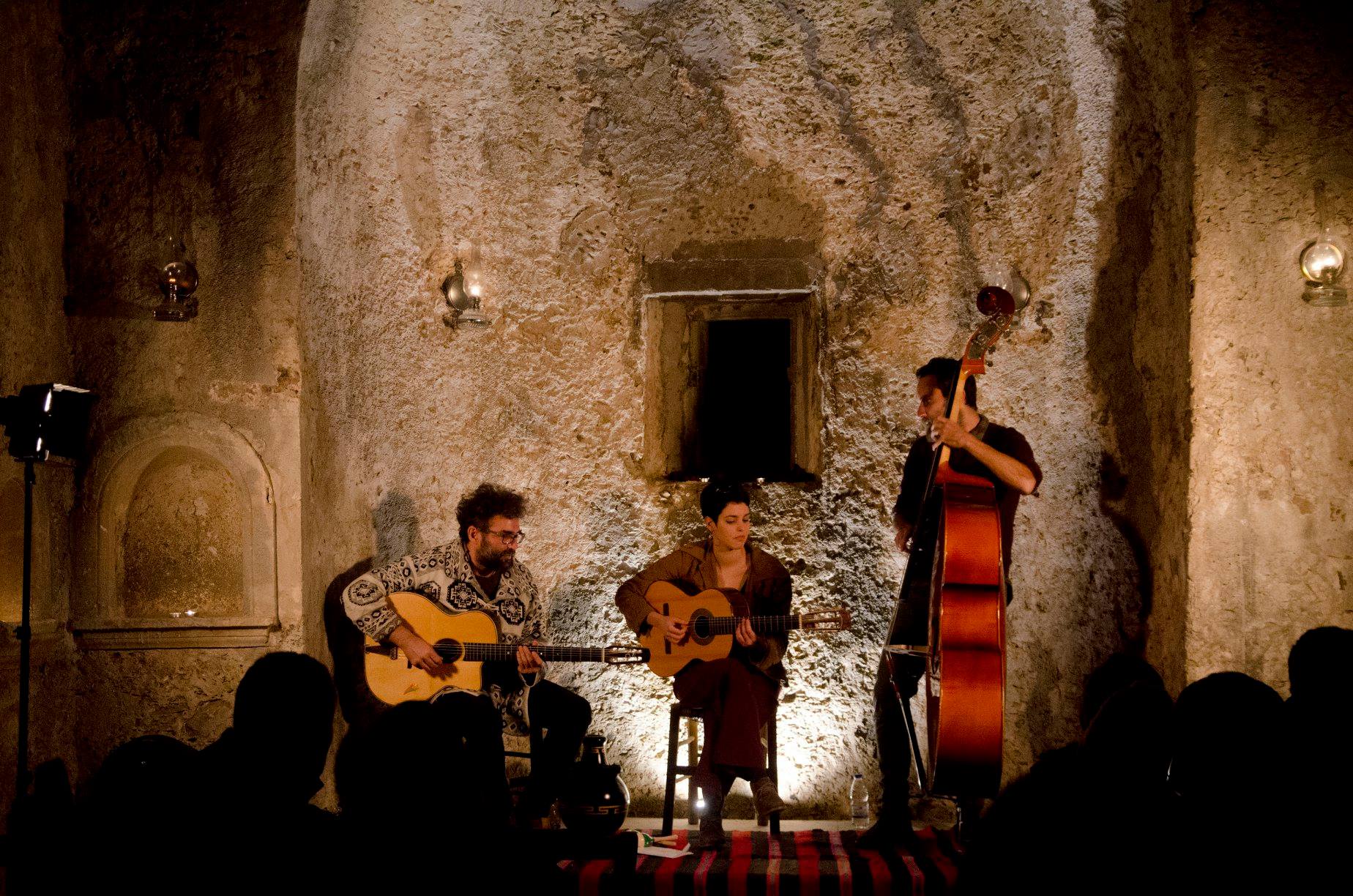
Candlelit acoustic jazz and world music every Sunday summer in our historic stone church — intimate, unplugged, and unforgettable, where the mountain listens with you.

History
Step into centuries of village life with a daily 1-hour private tour (€25 per group) of our Folklore Museum — guided personally in your language, full of stories, warmth, and authentic Cretan soul.
Tradition
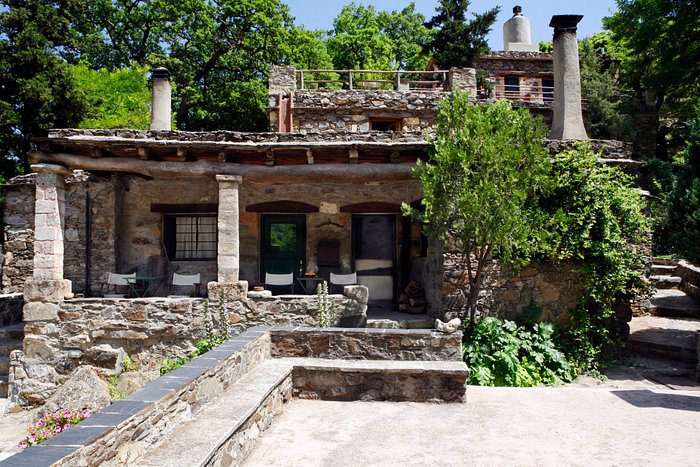
High on the mountain, wrapped in silence — a private villa, a simple house, your own eco-retreat… Vlatos holds them all, waiting to receive you gently.
Welcome to Vlatos
Kalimera, dear traveler, and welcome to Vlatos, where time slows and the soul finds peace. Nestled in Crete’s serene mountains, this village is a living testament to timeless wisdom and heartfelt connection.
Explore, Stay, Experience, Discover

Experience Vlatos
Food, beaches, hikes and adventure
As you step into Vlatos, feel the sun-baked pine resin under your feet and breathe in the wild thyme that carpets the hills. Let the rhythm of goat bells and cicadas become your heartbeat, a constant reminder of nature’s eternal song. Here, simplicity speaks volumes: the warmth of raki poured like a blood oath, candlelight flickering in stone walls during village feasts, and the low hum of community under starlit skies.
Vlatos invites you to discover its quiet heroism and authentic spirit, where time slows to reveal true belonging. Step away from the shallow noise of mass tourism and immerse yourself in this intimate sanctuary.
Testimonials

“A unique experience both for the environment and for the music!!!
Nana Gerond
It seems more valuable to us every time!!”
Local Guide
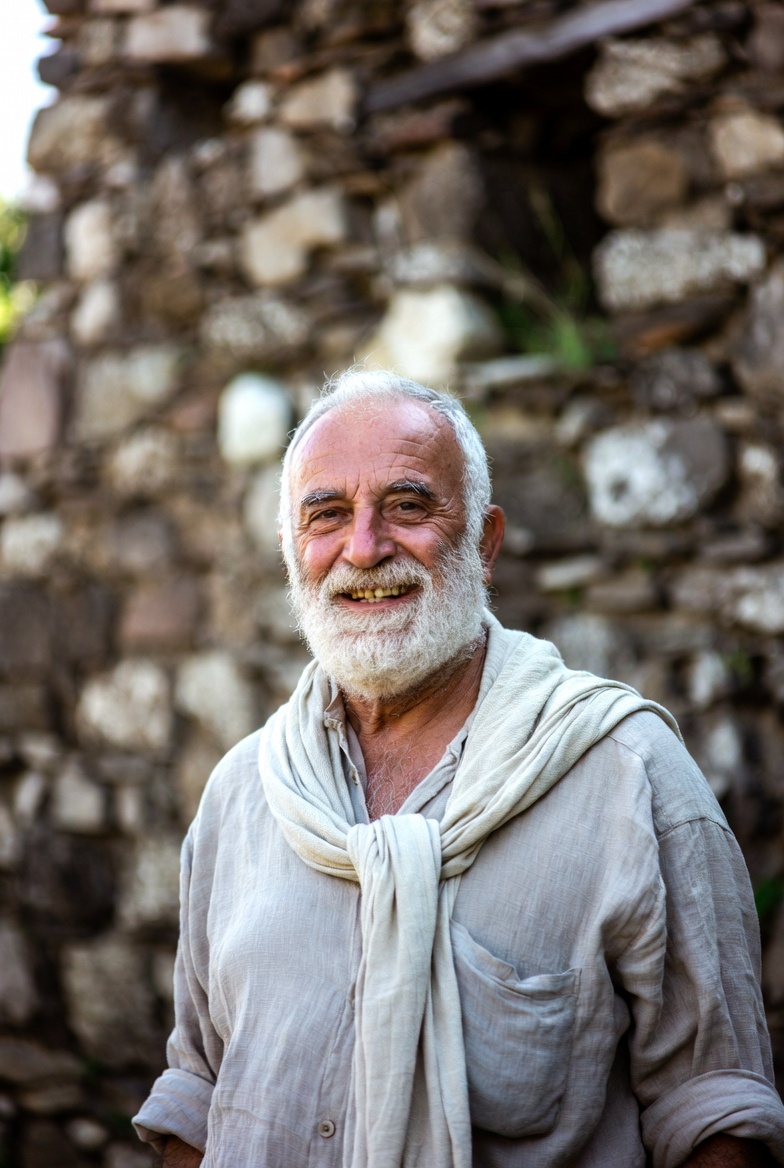
“I appreciate the idea to use the old school for the collection of traditional Cretan items.”
Dim From
Pensioner
Vlatos Jazz Festival 2026 – Intimate Sundays Under the Stars
This summer, Vlatos comes alive with the Vlatos Jazz Festival 2026 (Season 9), an intimate acoustic celebration held every Sunday from June 28 to September 27 in our historic stone church. Built over 150 years ago, this sacred space transforms into a sanctuary of music and communion under Cretan stars. With candlelight flickering and mountain breezes carrying the scent of thyme, these gatherings offer an authentic connection that transcends mere entertainment.
Key Facts Overview
- Dates: Every Sunday from June 28 to September 27, 2026 (14 concerts)
- Start Times: Doors open at 20:30; concerts run from 21:00–23:00
- Venue: The historic stone church in Vlatos
- Unique Features: Acoustic only, no amplifiers; a fusion of global jazz and world music with the spirit of Crete
Program Description
The Vlatos Jazz Festival is more than just a series of concerts—it’s an emotional journey and a ritual of peace. Each performance offers raw, soulful expressions that connect us on a deeply personal level. The opening night, for example, features the Stefan Olofsson Trio paying tribute to Herbie Hancock, setting the tone for the season with heartfelt melodies.
As we move through the summer months, the program will feature an eclectic mix of artists and genres, all united by their commitment to unamplified sound and authentic expression. The full artist calendar will be updated regularly on our website as more details are confirmed. But at its core, each concert offers a rare chance to experience music in its purest form—intimate, personal, and deeply moving.
Tickets & VIP Pass
- Single Tickets: €15 (available online via PayPal/credit card or at the door)
- Full-Season VIP Pass: €199 (limited edition, guaranteeing a front-row seat for all 14 concerts; includes priority entry and ultimate immersion)
Booking: Simple and secure online ticket purchases are now available. We urge early purchase of our limited-edition VIP passes due to high demand.
Invitation
Join us in Vlatos this summer to experience the shared hymn of the soul. Each concert is more than music—it’s a Cretan ritual of peace, connection, and belonging. As the candlelight flickers and the stone walls tremble with raw unamplified jazz, let your senses guide you into an authentic, intimate space where time slows to reveal true meaning.
Discover Innachorio – The Green Heart of Western Crete
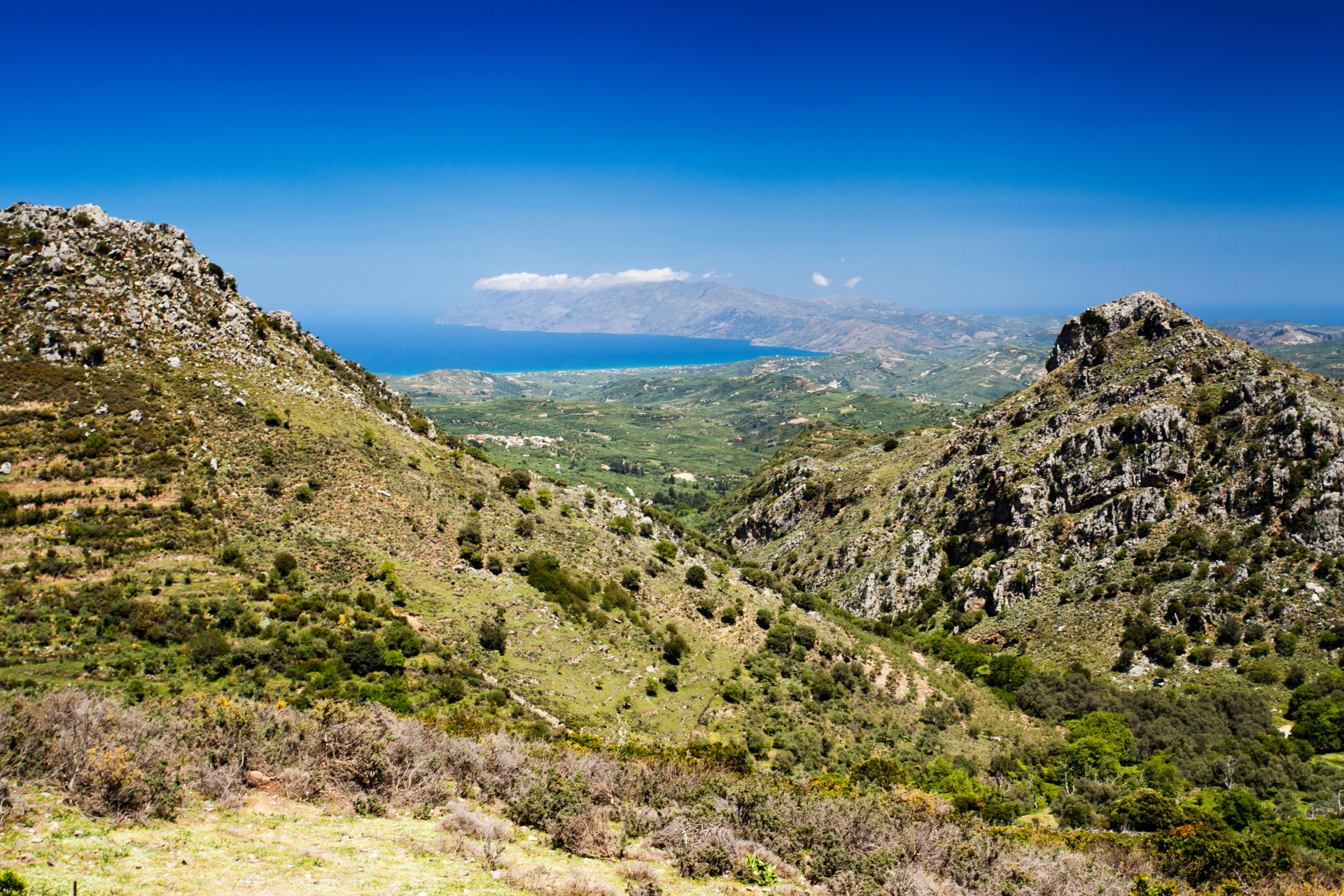
Nestled between two ancient mountain ridges in western Crete, Innachorio unfolds like an open book of natural beauty. Chestnut groves and plane trees (platan) shade verdant landscapes dotted with olive orchards, small gorges, and waterfalls that whisper secrets of time-old tranquility. The murmur of water blends seamlessly with the rustle of leaves and the occasional clang of goat bells at dusk.
At its heart lies Vlatos, a village where tradition thrives in every step. Surrounded by other traditional villages like Elos, Milia, Kefali, Kampos, Perivolia, and beyond, Innachorio is home to warm, resilient people who carry Cretan traditions through shared raki, panigyri songs, and everyday hospitality.
Innachorio’s layered history tells stories of Venetian walls, Ottoman tiles, and the quiet endurance of revolutionary roots. This is a place where time slows to reveal true belonging, inviting you to embrace simplicity and connection.
Hiking Trails & Peaceful Beaches Nearby
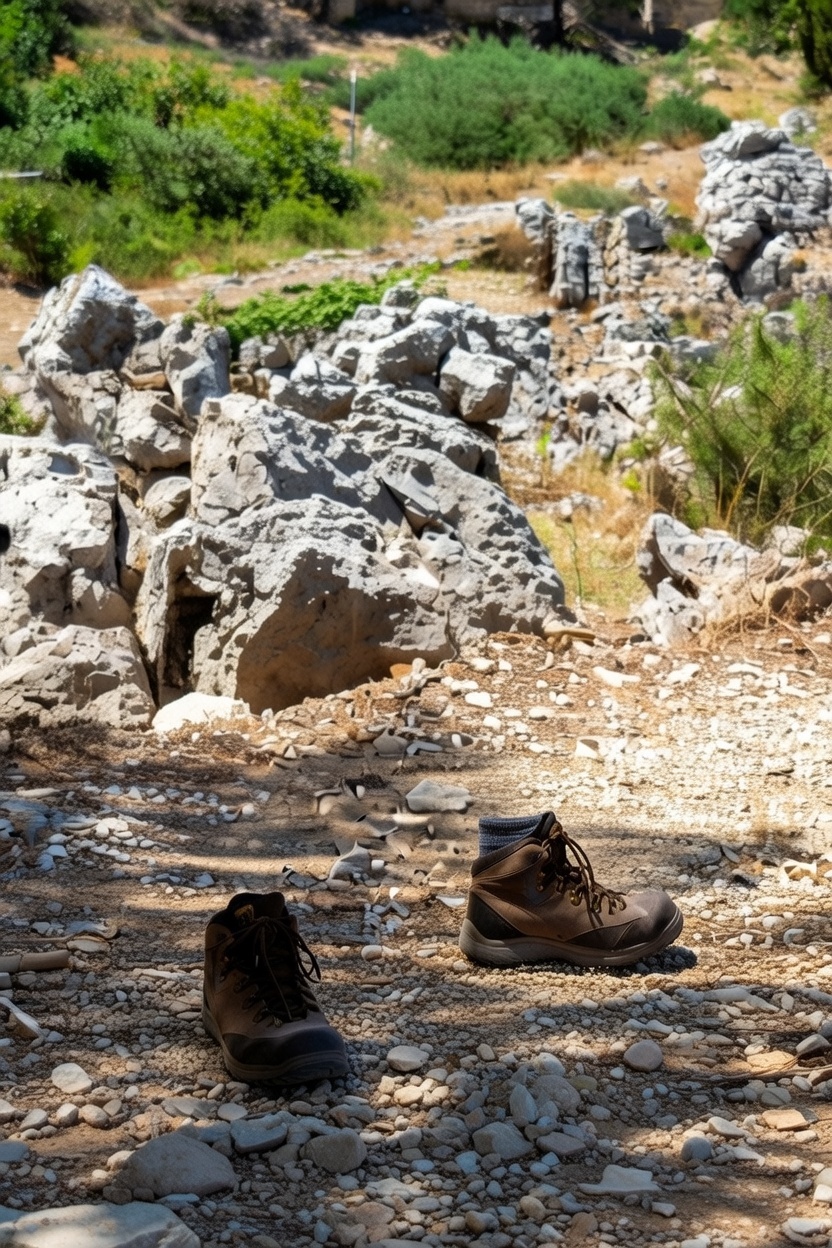
Gentle Trails in the Park of Peace Nestled within the serene Arboretum, the Park of Peace offers gentle trails through olive and chestnut groves, with soft earth paths winding under pine trees. Cicadas hum a soothing melody as goat bells echo softly at dusk. These easy-to-moderate 4–6 km loops take about 1 to 2 hours, perfect for all levels of hikers. Explore connections to Milia eco-village or the E4 path, where you can enjoy peaceful exploration, birdwatching, and picnics amidst nature’s beauty.
Nearby beaches offer serene escapes: Elafonisi with its famous pink-sand lagoon and turquoise waters; Kedrodasos, a wild cedar-fringed white-sand cove of solitude; and Livadia, where gentle clear water meets the shore in a curve of pebbles, inviting you to rest and reflect.
Quiet Rewards by the Sea
After a day in the mountains, nearby beaches offer serene escapes. Elafonisi is known for its famous pink-sand lagoon with turquoise shallows, protected from crowds by its natural beauty. Kedrodasos offers solitude in its cedar and juniper-fringed white-sand cove, perfect for a quiet retreat. Livadia features a gentle clear-water curve with pebbles along the shore, inviting you to rest and reflect.
Step onto the Trails… Let the Paths and Shores Welcome You As you walk through chestnut groves and pine forests, or stroll along secluded shores, let Innachorio’s tranquil beauty envelop you. The authentic tranquility here contrasts sharply with crowded tourist spots, offering a sense of belonging and slow discovery that is truly unique.