

A mountain village that receives you gently

Vlatos – Where Peace & Quiet Culture Hold You

Category: Places to go

Places to visit in and around Vlatos village

  • The Timeless Heart of Vlatos – The Cultural Society “New Horizons”

    The Timeless Heart of Vlatos – The Cultural Society “New Horizons”

    The Cultural Society of Vlatos “New Horizons” (Ο Πολιτιστικός Σύλλογος Βλάτου «Νέοι Ορίζοντες») was officially founded on December 31, 1972, making it one of the oldest continuously active cultural associations on the island of Crete.

    In a small mountain village like Vlatos — where time moves gently and traditions run deep — this entirely volunteer-run organization has been the quiet guardian of our community’s soul for more than 50 years. Through good seasons, hard winters, and everything in between, the society has kept the flame of peace, culture, and village life alive.

    Together with our society
    previous arrow
    next arrow
    Together with our society
    Screenshot 2023-03-01 at 2.12.05 PM
    P1210254
    In-front-of-temple-2
    ERT1 Item Vlatos Jazz 2021.12
    P1160887
    Vlatos-Cleaning-together-P1110606
    syllogos vlatos 2021 selfie
    84606846_1837410543060512_6632731524359782400_o_1837410533060513
    EPOFEK Group Photo
    P1030381
    P1030338
    Σήμερα εγκαταστάσαμε ένα νέο παράθυρο στην παλιά εκκλησία μαζί με τον Άδωνη.
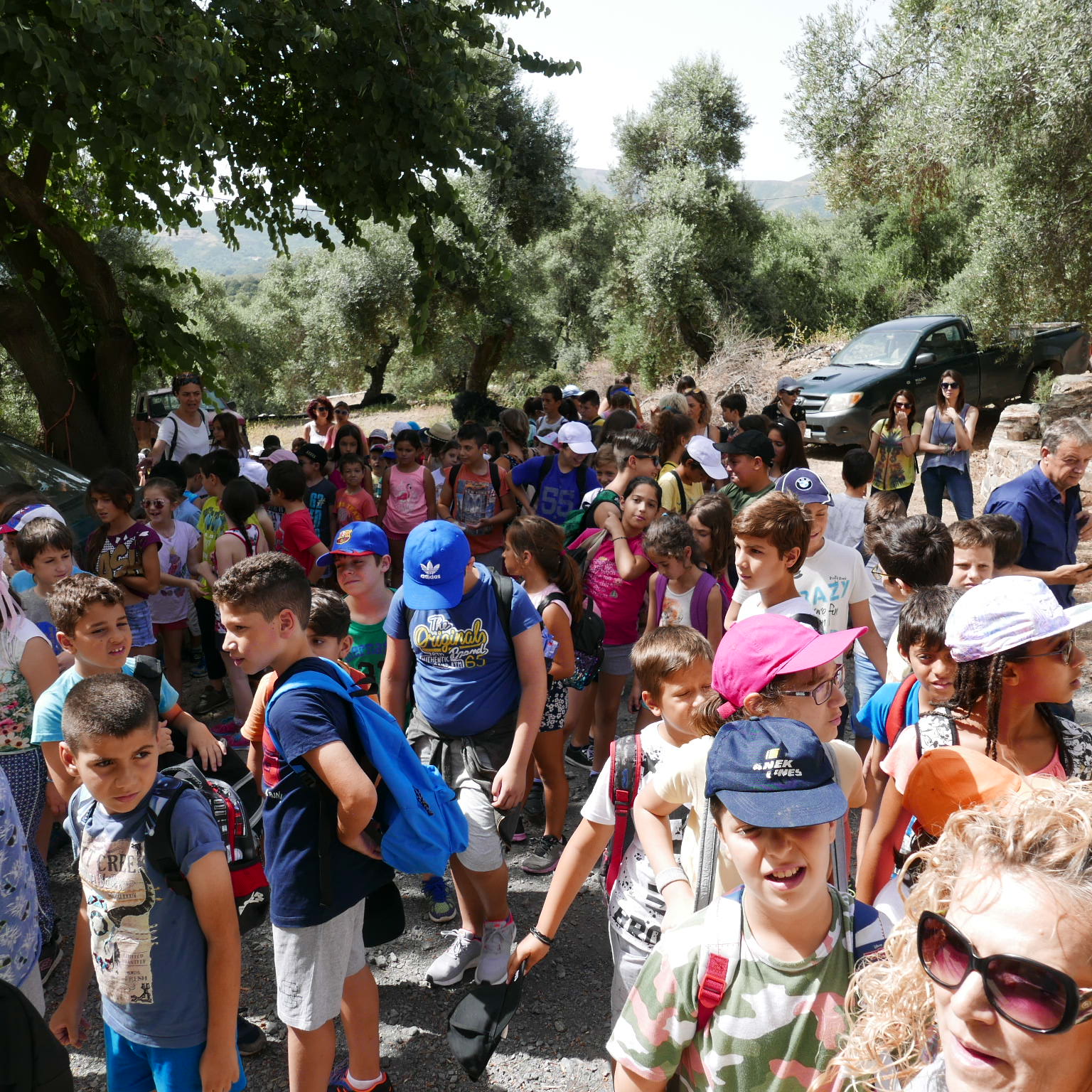
    Schoolchildren from Chania visit Museum Vlatos
    previous arrow
    next arrow

    Elections are held every four years. A five-member board is chosen. The mission has always remained simple and pure: to promote Peace (through the creation and care of the Park of Peace), Culture (via the Folklore Museum, local events, and later the Vlatos Jazz Festival), and the everyday heartbeat of Vlatos.

    For decades the society endured quietly. Board members aged gracefully, the same families often passed the torch, meetings took place in familiar homes or the old schoolhouse, and the work stayed humble — maintaining paths, organizing small gatherings, preserving stories and objects from the past.

    Then came Martin Vlatos.

    A Dutchman who fell deeply in love with Crete and chose Vlatos as his home, Martin arrived with fresh energy, digital know-how, and the passion of someone who sees the magic in what locals sometimes take for granted. He didn’t just become a member — he got to work for free: building and maintaining the website vlatos.gr, handling online promotion, launching and growing the Vlatos Jazz Festival (from its very first season in 2018 to today’s 9th), digitizing museum content, creating multilingual guides, and giving the society’s quiet efforts a voice that now reaches people around the world.

    Thanks to Martin’s dedication — and the trust placed in him by the board and villagers — the society has modernized without ever losing its soul. Jazz concerts now bring music lovers from across Europe to our historic stone church, museum tours share centuries of Cretan rural life in Greek, English, Dutch, and German, and the Park of Peace trails invite visitors to walk and breathe with the mountain.

    The current board (elected in 2022) consists of strong, honorable young men from Vlatos itself: Giorgios Makrakis (Chairman), Giorgios Deroukakis (Finance), Andreas Papoutsakis, Rafail Makrakis, and Markos Litsardakis. Together with Martin’s energy, they represent a beautiful new generation carrying forward traditions that have lasted half a century.

    Over the years the society has achieved so much:

    • Built the Park of Peace in close cooperation with the villagers and the Bavarian Forestry Ministry, with the dream of turning it into a living arboretum of local trees and plants.
    • Repaired the roof of the historic stone church that now hosts the Vlatos Jazz Festival.
    • Helped modernize the old schoolhouse, transforming it into the beautiful Folklore Museum we have today.
    • Opened a house in the village for the Greek Fire Department, ensuring two firefighters and a large vehicle are stationed here during the high-risk summer months.
    • Keeps the village roads in good condition year after year.
    • Created a lovely rose garden and is currently building a children’s playground next to the museum.

    Every day, in small and big ways, the Cultural Society of Vlatos “New Horizons” makes life in our village more beautiful, safer, and more connected.

    This is more than an association — it’s living proof that even in the smallest mountain village, a group of dedicated people can preserve what matters, renew what’s fading, and welcome new energy to carry the story forward.If you’ve ever felt the peace of Vlatos, heard jazz under the stars, walked the trails, or visited the museum, you’ve felt the quiet work of this society.

    We’re proud of our past, grateful for our present, and excited for whatever new horizons come next — together.
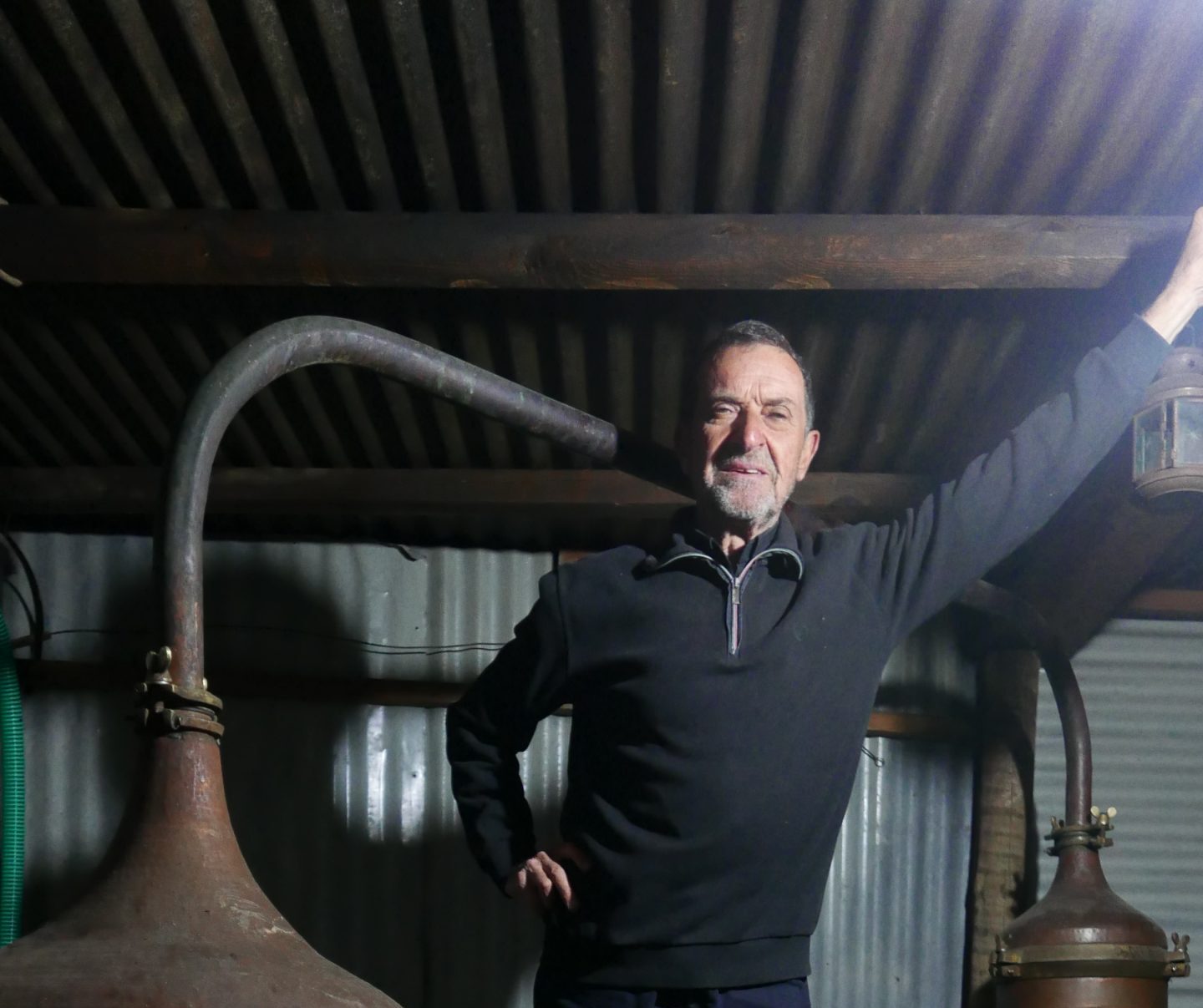
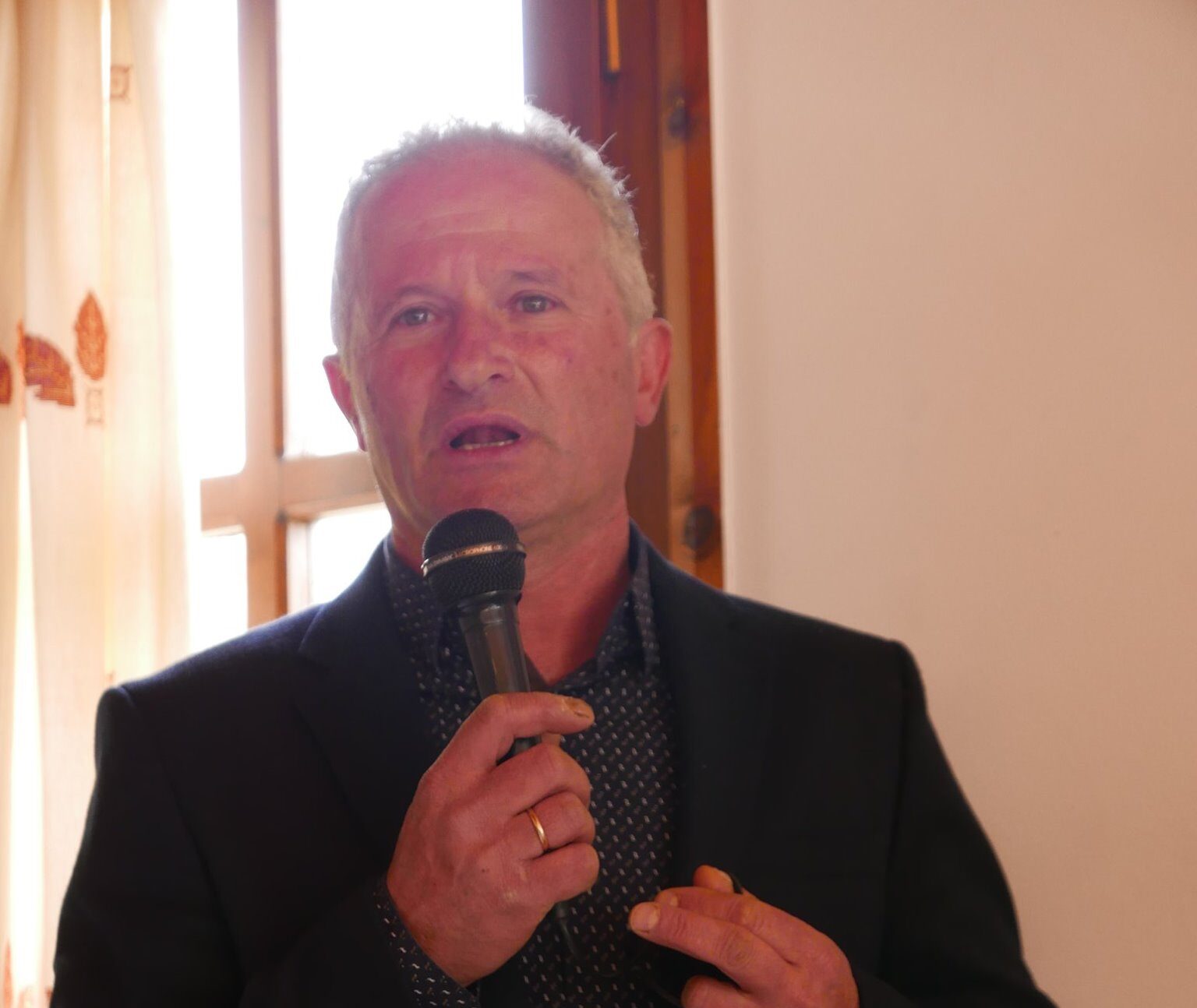
  • The Keeper of Springs and Bells: Pantelis Vaidakis, Heart of Vlatos

    The Keeper of Springs and Bells: Pantelis Vaidakis, Heart of Vlatos

    The story of Pantelis Vaidakis is the story of a man who carries Vlatos in his hands—literally and quietly, like water from the mountain springs he has tended for decades.Born and raised in the narrow stone lanes of Vlatos, under the watchful gaze of the same chestnut-covered slopes that still shade the village today, Pantelis learned early that home is not something you leave lightly. He went to the old schoolhouse (now the Folklore Museum), where the lessons were as much about the land as about books: how to respect the earth, honor the church bells, and keep the community whole. As a young man, the call of the wider world pulled him away—he sailed on Greek merchant vessels, crossing oceans, weathering storms, seeing ports from Singapore to Rotterdam. Those years taught him the rhythm of the sea, but also sharpened his appreciation for the stillness of home. When he returned to Vlatos, he brought back not just stories, but skills: the steady hand that operates heavy machinery—bulldozers, diggers, excavators—tools he would later turn toward the village’s quiet needs.

    Pantelis raised three fine sons—Giannis, George, and Kostas—with his lovely wife Johanna in the heart of Vlatos. Their home is filled with the sounds of family life: laughter in the garden, the clink of tools, the low hum of bees among the vines. Together they work the land—gardens bursting with tomatoes, herbs, and greens; vineyards that yield grapes for homemade wine; ancient olive trees that drop their fruit like quiet blessings each autumn. It is a life of seasons, not schedules: pruning in winter, harvesting in fall, sharing raki with neighbors when the work is done.

    Proud and deeply religious, Pantelis serves as the caretaker of Vlatos’ churches—the small stone chapels that dot the village and hillsides, their bells ringing out over the valleys. He keeps the candles lit, the icons dusted, the doors open for prayer and for anyone seeking shelter from the wind. Faith for him is practical: it lives in the daily tending, in the quiet maintenance of sacred spaces that have stood for generations.

    When Vlatos became part of the larger municipality of Kastelli, the role of mayor shifted to an honorary one, a position of respect rather than administration. Pantelis holds it now with the same steady pride he brings to everything else. He is the village’s living memory, its gentle authority—the man people turn to for counsel on matters large and small.

    Perhaps his most enduring work is invisible to most visitors: the water infrastructure that brings life from the mountain springs down to every house, every field, every thirsty olive root. For years Pantelis has maintained these channels—clearing blockages, repairing stone aqueducts, ensuring the flow never stops even in dry summers. It is labor few notice until the taps run dry; then they remember who keeps the water coming. In a place where water means survival, this quiet guardianship is a form of devotion.

    To Johanna, the lovely wife of Martin Vlatos, Pantelis is best man and a steadfast friend to both. When Martin married Johanna in 2021 under the open Cretan sky, Pantelis stood as witness alongside George Makrakis—two pillars of the village flanking the couple in a ceremony that felt like the mountain itself giving its blessing. That bond runs deep: shared raki at dusk, shared labors, shared love for this small corner of Crete.

    Pantelis does not seek the spotlight. He is content with the rhythm of his days: rising before dawn to check the springs, tending the vines, ringing the church bell at vespers, gathering with family and friends around a table laden with what the land provides. He embodies the unsung heroism of rural Crete—the man who stays, who mends, who preserves so others can arrive and feel welcomed into something timeless.

    Walk through Vlatos on a February morning in 2026, with mist still clinging to the chestnut groves and the air crisp with promise of spring. You might see Pantelis in his garden, hoe in hand, or hear the faint trickle of water he has kept running for decades. He will greet you with a nod and a smile, perhaps offer a glass of his wine or a handful of olives. In that simple gesture lies the essence of Vlatos: hospitality rooted in quiet strength, faith in the land, and a life lived fully in service to place and people.

    Pantelis Vaidakis doesn’t speak much of legacy. He simply lives it—one repaired pipe, one tended vine, one church candle at a time. The village endures because men like him never truly leave; they become part of the mountain itself.If you come to Vlatos, listen for the bells he rings, taste the water he guards, feel the peace he helps sustain. Here is a hero who needs no cape—only calloused hands, a faithful heart, and the unchanging horizon of home.Welcome. The springs are still flowing. 

  • The Builder of Milia: George’s Unyielding Hands and Heart for Vlatos

    The Builder of Milia: George’s Unyielding Hands and Heart for Vlatos

    The story of George Makrakis is the story of a man who never left his mountain—and in staying, he helped the mountain itself come back to life.Born and raised in the stone embrace of Vlatos, under the same thyme-scented sky that still greets dawn with goat bells and distant sea whispers, George grew up surrounded by loving parents who taught him the quiet religion of hard work and reverence for the land. In the old village schoolhouse—now the Folklore Museum—he first met Kostas Koukourakis, a friendship that would one day grow into shared battles for the soul of Innachorio, the wider Kissamos region. Even as boys, they sensed the place held something sacred: not just earth and stone, but a way of living in harmony with both.

    George became a builder in every sense. A strong believer in sustainable economy long before the term became fashionable, he poured his muscle, faith, and unyielding energy into reviving what others had forgotten. In the early 1980s, he met Jacob Tsourounakis (Iakovos), the visionary who dreamed of breathing life back into Milia—a 16th-century mountain settlement abandoned mid-20th century, its stone houses crumbling into the forest. Jacob brought the brains and the bold idea: restore the ruins, reforest the slopes, cultivate organically, create a small stock-farming unit, and open it to travelers who sought authentic connection with nature. George brought the hands—the relentless labor, the day-after-day grit of hauling stone, planting chestnut and pine, rebuilding walls by hand. Together they turned “kouzoulada” (Cretan madness) into miracle. After twelve years of exhaustive restoration, Milia Mountain Retreat opened in the early 1990s as one of the world’s first true eco-lodges. National Geographic named it a top ecolodge in 1998, praising it for family adventures, local culture, and environmental sensitivity in Western Crete’s mountainous heart. That reputation—earned through solar power, no electricity grid, organic gardens, and rooms faithful to Cretan mountain architecture—owes its strength to George’s tireless work. He was the muscle that made the dream stand.

    He raised a beautiful family in Vlatos with his wife Artemis: three sons, Vasilis, Vangelis, and Rafail. Today, Vasilis carries the flame forward as chef of the Milia Restaurant, a rising star in Greece’s culinary scene, blending mountain herbs, local cheeses, and wild greens into dishes that taste like the land itself.George’s devotion never stopped at Milia. A deeply religious man, he held many roles in Vlatos’ Cultural Society “New Horizons,” quietly serving as guardian of tradition—tending the museum, supporting festivals, keeping the village’s heartbeat steady. He fought alongside the old mayor of Kastelli, Mr. Koukourakis (his schoolmate Kostas), for the sustainability of Innachorio: protecting gorges, forests, water sources, and the slow rhythm of rural life against hasty development. His belief was simple and fierce: the land gives if you give back.

    Today, as vice-mayor of Kastelli (the municipal seat encompassing Kissamos and Vlatos), George oversees Tourism and Culture. He shapes policies that honor Crete’s heritage while inviting respectful visitors—always with an eye on balance, never exploitation.

    To Martin Vlatos, George is more than friend or collaborator: he is best man, brother in spirit. When Martin arrived seeking quiet, George handed him the keys—not just to doors, but to possibility. He opened the 150-year-old stone church for those first unplugged acoustic evenings, and the old schoolhouse for ideas that would grow into the Vlatos Jazz Festival. In that act of trust, he planted the seed for music under candlelight, for strangers becoming family in a sacred space no bigger than fifty souls.

    George Makrakis doesn’t speak of heroism. He lives it: in the calloused hands that rebuilt Milia, in the faith that guides his days, in the steady voice that still fights for the mountain’s future. He is the quiet force behind Vlatos’ peace—the man who stayed, worked, believed, and in doing so, kept an entire corner of Crete green, alive, and welcoming.If you walk the trails to Milia or sit in the church during a jazz set, you feel his presence: in the restored stones underfoot, in the organic meal on your plate, in the way the village still breathes easy. He built not for glory, but for tomorrow. And tomorrow, thanks to him, still looks a lot like yesterday—beautiful, rooted, sustainable.Welcome to his world. The mountain thanks him every day.

  • From Dutch Canals to Cretan Olives: Martin’s Quiet Journey Home

    From Dutch Canals to Cretan Olives: Martin’s Quiet Journey Home

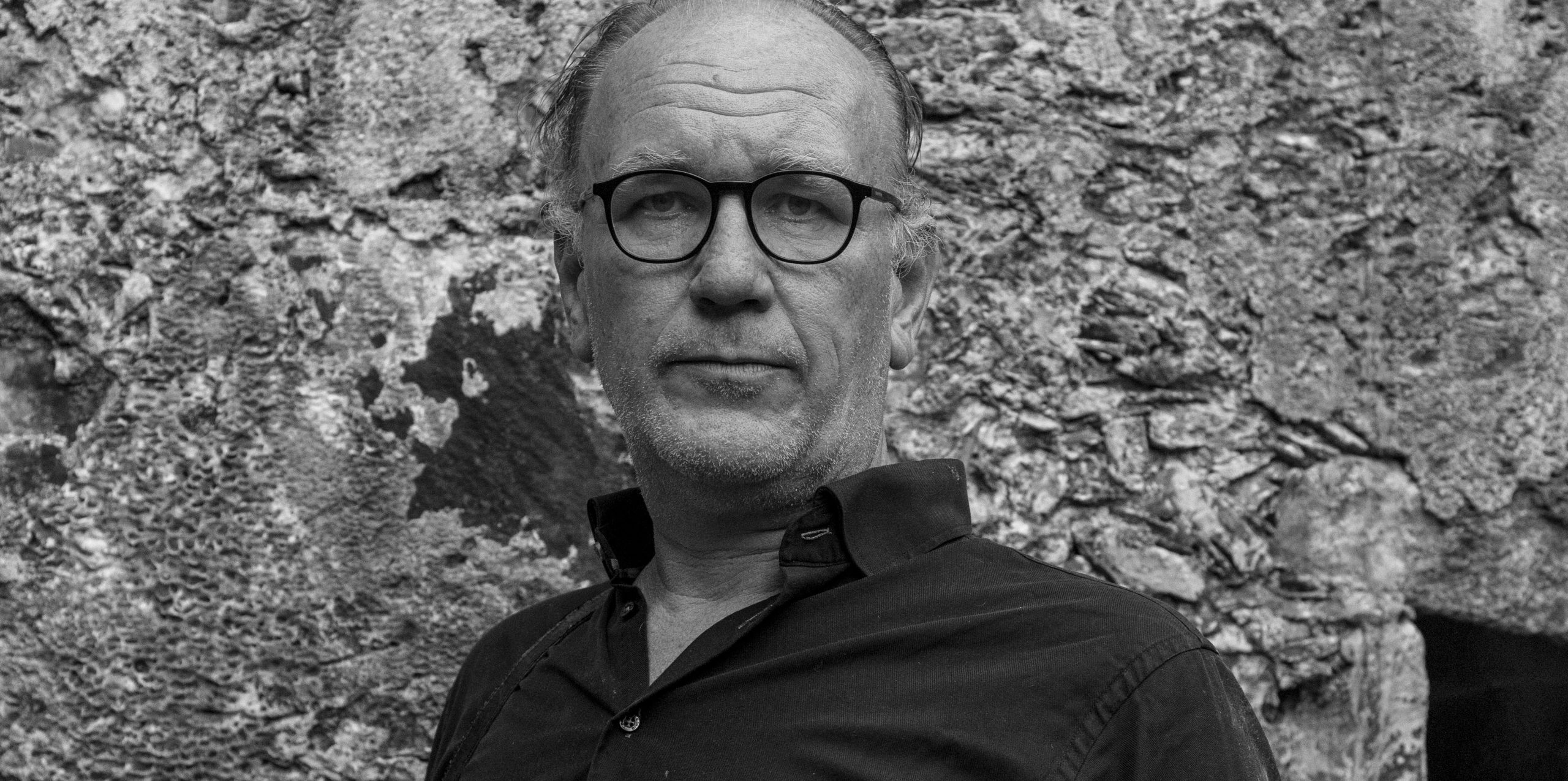
    The story of Martin in Vlatos is one of those quiet, unfolding journeys that the mountains seem to wait for—patient, without hurry, until the right soul arrives and recognizes home.Born in the flat, watery landscapes of Alphen aan den Rijn in the Netherlands, Martin grew up surrounded by the ordered rhythm of Dutch life: canals, bicycles, precise horizons. He trained in graphic design and audiovisual arts, skills that soon carried him into the world of IT—building digital bridges for big businesses, state offices, local governments. Screens, deadlines, the steady hum of servers. It was meaningful work, yet something in him kept listening for a different sound, one that didn’t echo in conference rooms.That sound found him in 1996.

    He first stepped into the Cretan mountains seeking silence, and the path led him to Milia—a restored 16th-century settlement clinging to the hillside like a memory the forest refused to forget. Milia was still raw then, just awakening from decades of abandonment. Martin felt the pull immediately: the scent of resin-warmed pine, the low murmur of wind through chestnut leaves, fires crackling in stone hearths at night. He returned every winter for a month, suitcase in hand, to read by the fire, let books and woodsmoke fill the long evenings. Time slowed here in a way it never had back home. The world outside grew distant; the mountain held him gently.

    In those quiet seasons he helped bring Milia into the digital age—registering their domain and crafting the first website in 1997. It was a small act, but it felt like planting a seed in fertile earth.

    Life, though, has its own seasons. In 2009 Martin married a doctor from nearby Elos. They hoped to root together in this land of olive and stone, but the marriage, tender at first, could not weather the deeper differences. Four years later they parted with respect and sadness.

    Rather than leave Crete, Martin chose to stay. The island had already claimed a piece of his heart; he would not uproot it again.He found a piece of land above Vlatos—steep, sun-drenched, cradled by ancient olive trees of the rare Tsunata variety. Those trees, with their silver-green leaves whispering in the breeze, became his companions. He began to tend them, learning their language of root and fruit. From their harvest came Tsunata olive oil, golden and fragrant, a quiet testament to patience and care.In 2016 the village itself called louder. Vlatos—small, unassuming, wrapped in thyme-scented hills—needed a voice online. Martin built vlatos.gr from the ground up, pouring into it the same devotion he gave the olives.

    Year after year he has tended the site like a garden: updating pages with the rhythm of the seasons, sharing stories of the Park of Peace, the Folklore Museum in the old schoolhouse, the candlelit hush of the jazz evenings. The website became a window through which the world could glimpse this place of peace.

    And then, in the way the Cretan mountains often arrange such things, love returned.In 2021 Martin married Johanna, a beautiful Dutch woman whose warmth matched the sun on stone. They said their vows surrounded by the village that had become family. George Makrakis, then president of the Cultural Society “New Horizons,” and Pantelis Vaidakis stood as witnesses—two men whose lives had long been woven into Vlatos’ heartbeat. Under the open sky, with goat bells drifting from distant slopes, the ceremony felt less like a wedding and more like a homecoming for everyone present.Through all these years, Martin’s deepest collaboration has been with the soul of the village itself.

    Together with George Makrakis and the world-renowned violinist Maria Manousaki—born in South Africa, shaped by New York stages and Cretan roots—he helped birth the Vlatos Jazz Festival. What began as an intimate dream has grown into Season 9 in 2026: unplugged acoustic sets every Sunday in the 150-year-old stone church, candles flickering, mountain air carrying each note like a prayer. Maria’s curation brings global voices into this tiny sacred space; George’s steady leadership and the volunteers of “New Horizons” make it possible; Martin ensures the story reaches beyond the hills.

    The Hermitage Villa rose on his land as the natural next chapter—an off-grid eco-haven with its private infinity pool gazing over olive groves and distant sea. Solar-powered, simple in its luxury, it offers guests the same gift Martin once found in Milia: solitude that is never lonely, because the mountain listens back.

    Today, as February’s crisp air carries the promise of spring, Martin walks the paths he helped shape. He tends the Tsunata trees, updates vlatos.gr with fresh images of the coming festival, shares raki and stories with neighbors. Johanna is beside him, their life together a quiet harmony.

    He never set out to become a founder, an organizer, a guardian of this place. He simply arrived one winter, listened, and stayed. In doing so, he became part of Vlatos’ own quiet heroism—the kind that doesn’t shout, but endures, plants seeds, tends fires, and welcomes the next wanderer who needs to slow down and remember what home feels like.If you come to Vlatos, you may meet Martin on a trail or see his name on the website that first drew you here. More likely, though, you’ll simply feel his presence: in the flicker of candles during a jazz set, in the golden pour of Tsunata oil on village bread, in the way time slows until your own heart can catch up.Welcome. The mountain has been waiting.

  • Hiking paths on Openstreetmap

    Hiking paths on Openstreetmap

    GPS is very unreliable in the Cretan mountains

    But never mind that we live under a big NATO bubble and hence the problems people face when using GPS on Crete. Nestled in the rugged Kissamos region of western Crete, the villages of Vlatos and Innachorio (also known as Inachori, now part of Kissamos municipality) offer a wealth of peaceful hiking (click here for more info about hiking around Vlatos) amid olive groves, chestnut forests, and dramatic mountain slopes at around 500–600 m elevation. These areas feature easy-to-moderate trails perfect for nature lovers seeking serene escapes rather than intense gorge descents.OpenStreetMap excels here as a free, community-updated resource with detailed trail mapping. View and explore paths directly on OpenStreetMap.org (search for “Vlatos, Kissamos, Crete” or zoom to coords ~35.39°N, 23.65°E). Key highlights include:

    • Park of Peace Trails (Vlatos outskirts): Interconnected easy loops (4–6 km total, 1–2 hours, <150 m elevation gain) through meadows, pines, and olive terraces—ideal for picnics and birdwatching. Well-marked and visible on OSM.
    • Vlatos to Milia Eco-Village: Moderate 5–7 km out-and-back (2–3 hours, ~200 m gain) along old mule paths to the sustainable chestnut-forest hamlet of Milia.
    • Vlatos to Elos Chestnut Trail: Easy-moderate 6 km linear path south into Innachorio, connecting to chestnut groves and village charm.
    • E4 European Long-Distance Path sections: The renowned E4 weaves through Innachorio’s landscape (traceable on OSM via waymarkedtrails.org or directly on OSM layers). Enjoy scenic village-to-village links and extensions toward Elafonisi’s iconic pink-sand beach (e.g., 12–15 km moderate coastal-mountain stretch from Livadia area westward).

    October shines for visits, with mild 20–25°C temps and golden autumn foliage. Trails are generally well-marked but rocky in spots—wear sturdy shoes, carry water, and download OSM-based apps like OsmAnd (excellent offline maps & navigation) or Organic Maps for reliable routing without cell signal. For broader planning, cross-reference with AllTrails or Wikiloc, but OSM provides the most current, community-sourced detail for this authentic, off-the-beaten-path corner of Crete. Happy trails!


    View Larger Map
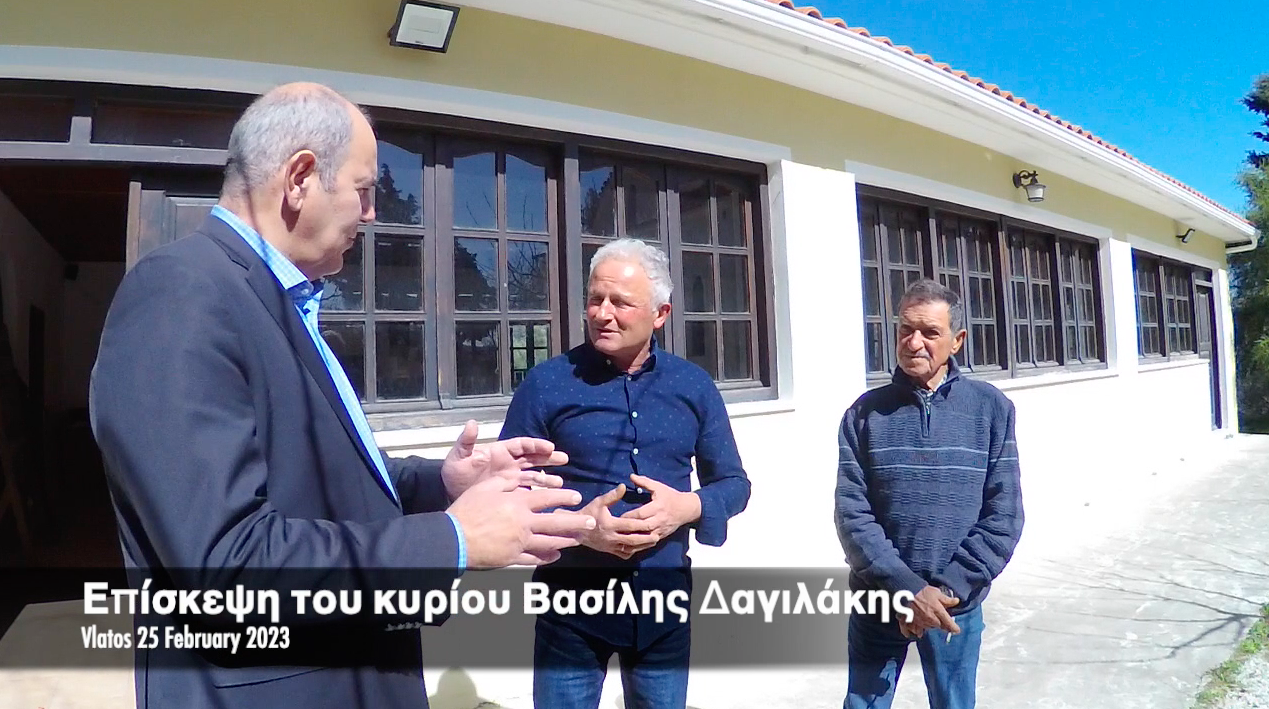
  • Επίσκεψη του κυρίου Διγαλακη στο Βλατος

    Επίσκεψη του κυρίου Διγαλακη στο Βλατος

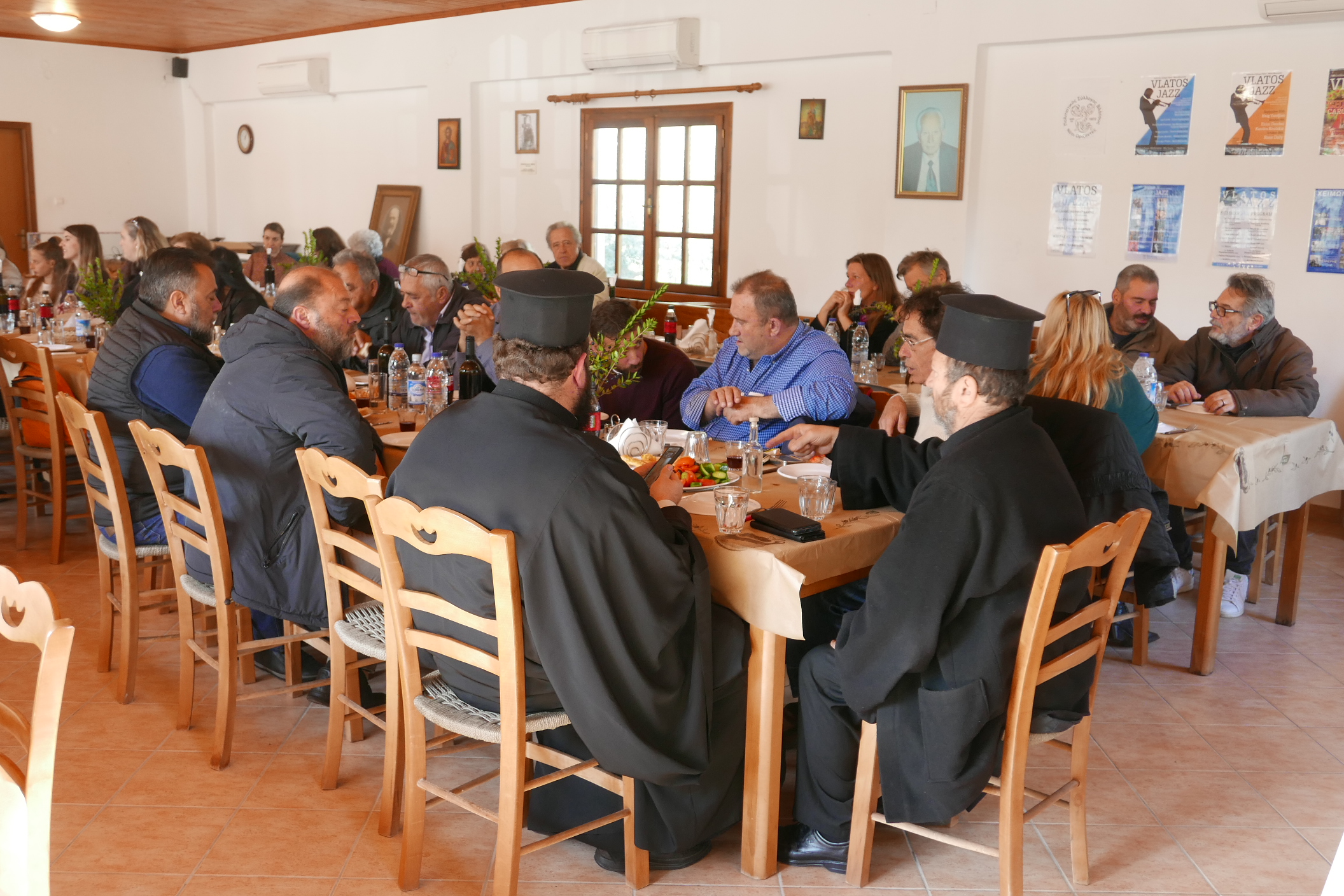
    Καλησπέρα και καλή σαρακοστή σέ όλους σας… λίγο καθυστερημένα να σας ενημερώσω για την επίσκεψη του κυρίου Διγαλακη στο Βλατος. Συναντηθηκαμε στην κεντρική εκκλησία όπου και έγινε μια λεπτομερή ενοιμερωση για τό χωριό, αλλά καί για τίς δράσεις, σκοπούς καί στόχους τού συλλόγου.Επισης  αναφερθήκαμε καί στο πρόβλημα  της εγκατάλειψης πού αντιμετωπίζουν όλα τα χωριά όπως τό δικό μας.Συζητησαμε πιθανούς τρόπους αντιμετώπισης αυτού του φαινομένου.Μετα επισκέφτηκαμε το πάρκο Ειρήνης όπου τού έγινε ανάλογη ενοιμερωση.Στην συνέχεια καταλήξαμε στο χώρο του σχολείου όπου τού έγινε ξενάγηση καί επιπλέον ενοιμερωση για τούς εκεί χώρους.Στη διάρκεια του γεύματος που προσφέραμε με παρουσία και του δημάρχου ο κύριος Διγαλακης εξέφρασε την έκπληξη αλλά και την ικανοποίηση του για όλα αυτά πού έχουμε δημιουργήσει αλλά καί στην όλη φιλοσοφία πού είναι στημένα, καί για τό πού όλα αυτά στοχεύουν.Η πρόταση του είναι μέ την βοήθεια του, καί μέσω του υπουργείου πολιτισμού νά γίνει η επίτευξη υλοποίησης του στόχου μας, ούτως ώστε αυτό να γίνει παράδειγμα πού νά το αντιγράψει τό κεντρικό κράτος και νά τό προτείνει και προώθηση καί αλου για υλοποίηση. (δηλαδή πολύ υψηλούς στόχους). Φεύγοντας τού δώσαμε φάκελο με τα σχέδια τού αυλειου χώρου της εκκλησίας, την ιστορία του χωριού και σπουδαιότερα πεπραγμένα του συλλόγου μέ ένα αίτημα για επιχορήγηση του συλλόγου μέ τό ποσό των 15.000.00€στο οποίο υποσχέθηκε ότι θα ανταποκριθεί 

    .

  • Κοπή Πίτας 2023

    Κοπή Πίτας 2023

    Η Ενορία Βλάτους, ο Πολιτιστικός Σύλλογος Βλάτους «Νέοι ορίζοντες» και η κοινότητα Βλάτους καλούν τα μέλη και φίλους, την Κυριακή 12/02 στις 12:00, στην κοπή πίτας για το νέο έτος. Παράλληλα θα γίνει τιμητική αναφορά στην μνήμη του πρόσφατα εκλιπόντος, Παπαδημητράκη Δημήτριο, που διετέλεσε πρόεδρος του συλλόγου την περίοδο 2008-2014.
    Σας περιμένουμε!

    Jacob Tsourounakis remembers Dimitris Papadimitrakis
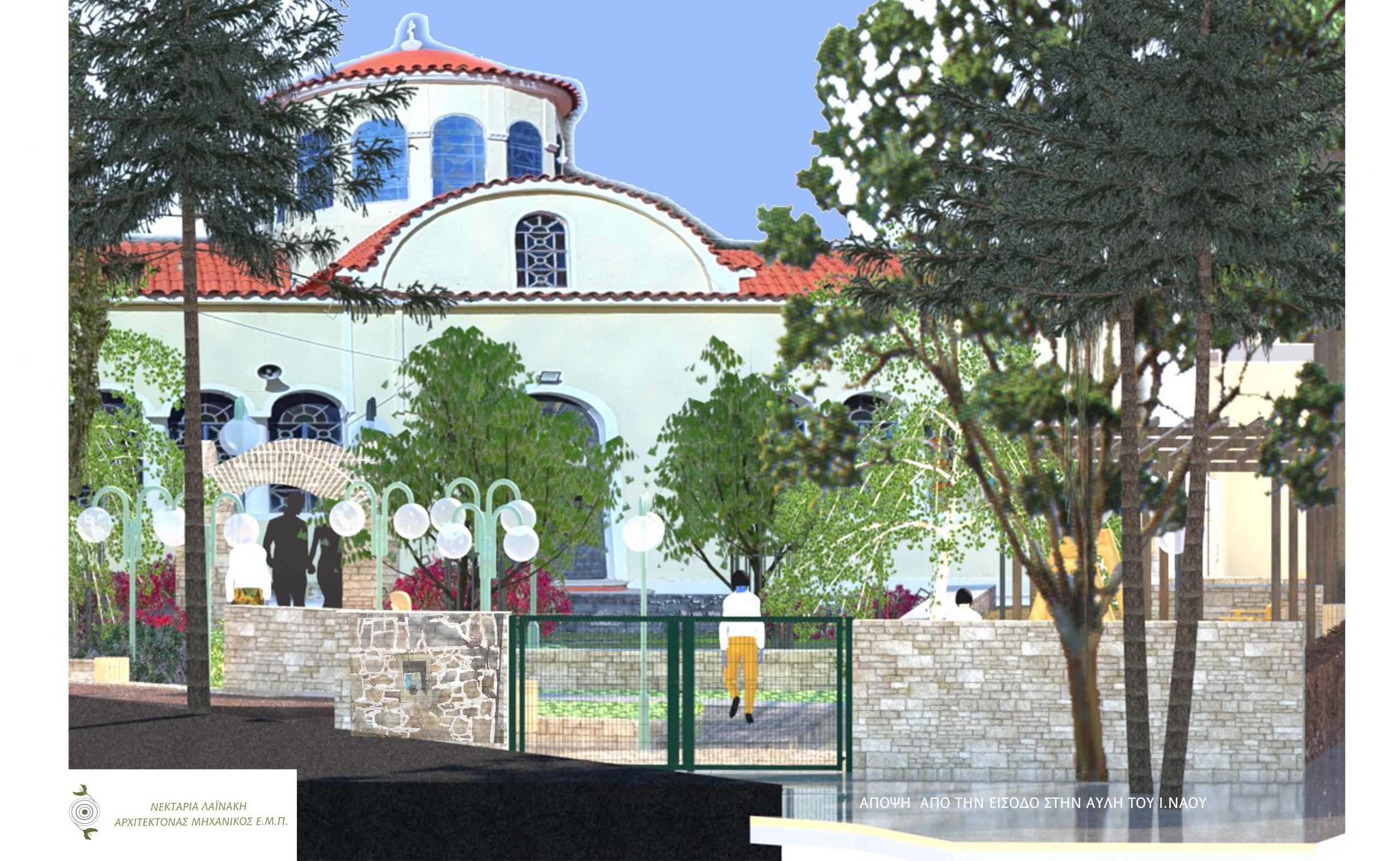
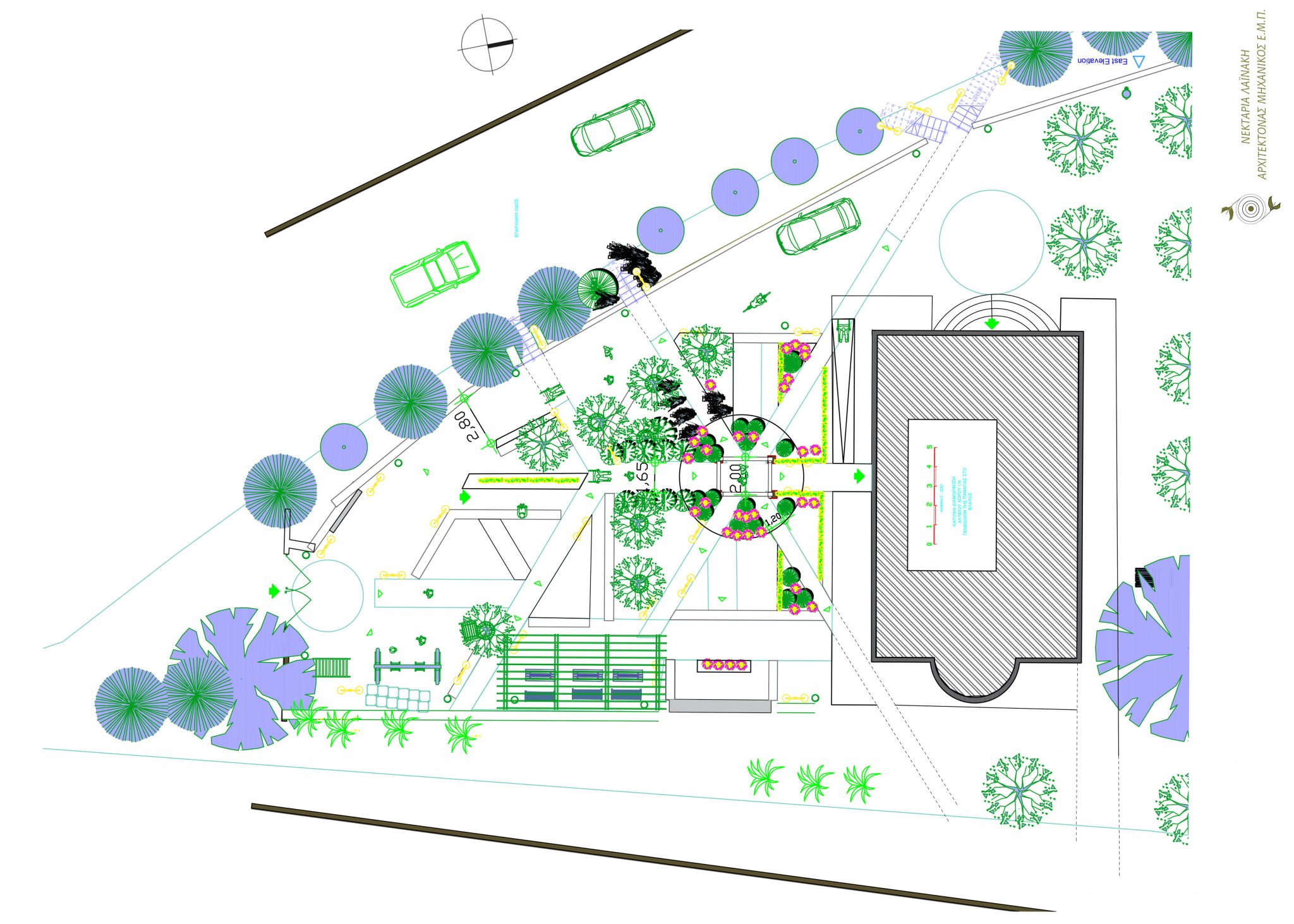
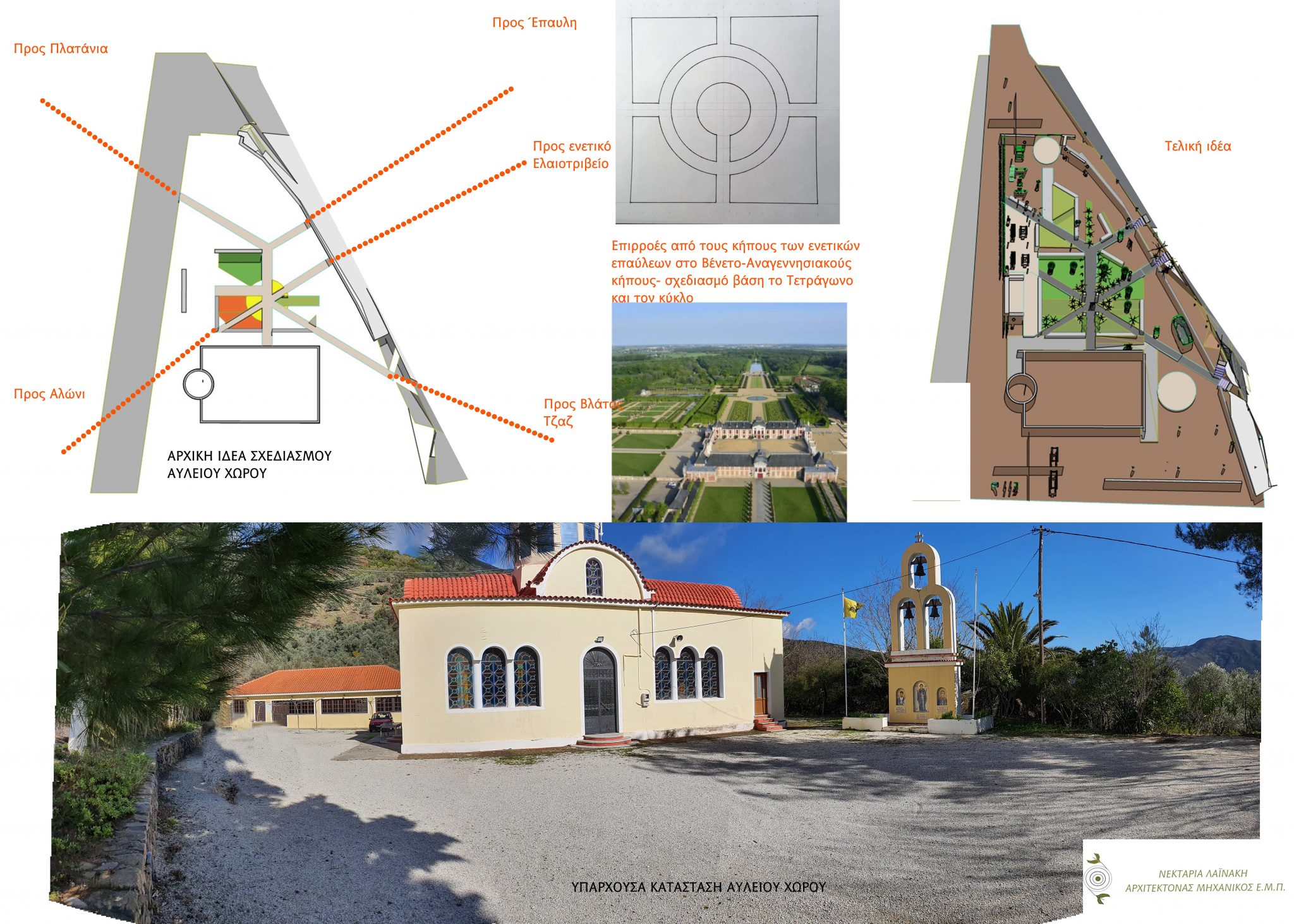
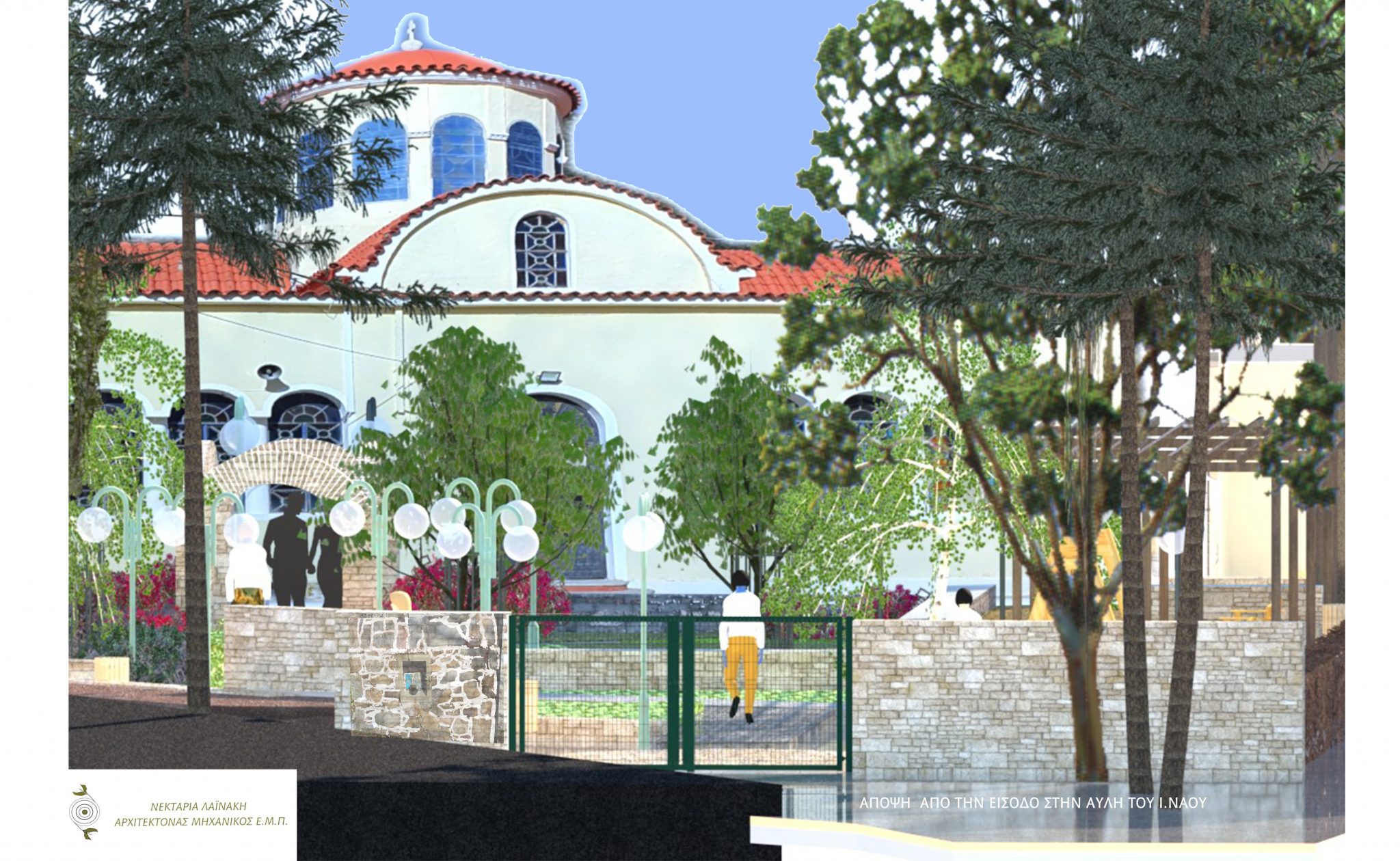
  • Ένα νέο σχέδιο για τους εξωτερικούς χώρους της εκκλησίας μας

    Ένα νέο σχέδιο για τους εξωτερικούς χώρους της εκκλησίας μας

    Το Βλάτος ,ένας οικισμός στην ενδοχώρα της Κισσάμου, αναφέρεται πρώτη φορά στην απογραφή του Τριβάν το 1645. Tα χωριά Βλάτος , Βουκοπεράσματα, Καρυδάκι, Μηλιές κλπ. καταγράφονται στα Νοτάρια και στα συμβόλαια προικοσύμφωνων στην περίοδο της ενετοκρατίας.(ιστορικές πληροφορίες από τον κ. Παπαδημητράκη Ιωάννη)

     Πολλά μνημεία μαρτυρούν την ιστορία του Βλάτους. Σημαντικό η ενετική έπαυλη στην περιοχή Αρχοντικά ιδιοκτησίας Κωνσταντίνου Κουκουράκη. Κατοικήθηκε στην περίοδο της βενετοκρατίας περίπου τα μέσα του 16ου αιώνα από την οικογένεια Μινόττο.  Ωστόσο μέσα από βαπτίσεις που έγιναν στην συγκεκριμένη οικογένεια από τον καθολικό ιερομόναχο του μοναστηριού του Αγίου Γεωργίου στα Βαλσαμάκια μαρτυρούν την δύναμη ισχύος της οικογένειας που διαχειριζόταν το φέουδο του Βλάτους. Έτσι εκμαιεύομε αρκετά στοιχεία για την ιστορία της συγκεκριμένης περιοχής. Ο χώρος κατοικίας της οικογένεια, η εκκλησία του φέουδου , την Παναγία των Αγγέλων , ο Ι. Ναός του Αγίου Αντωνίου , οι εγκαταστάσεις με το ελαιοτριβείο και τα βενετσιάνικα κτίσματα κοντά στην έπαυλη , το κτίσμα που προοριζόταν για εκκλησία αλλά ποτέ δεν λειτούργησε , σήμερα το Τζαζ Βλάτος, Τα πλατάνια με την περιοχή των Μύλων στην αρχή του οικισμού. 

    Περίπου στη μέση όλων αυτών των σημαντικών μνημείων Υπάρχει και ο Ιερός Ναός των Γενεθλίων της Παναγίας. 

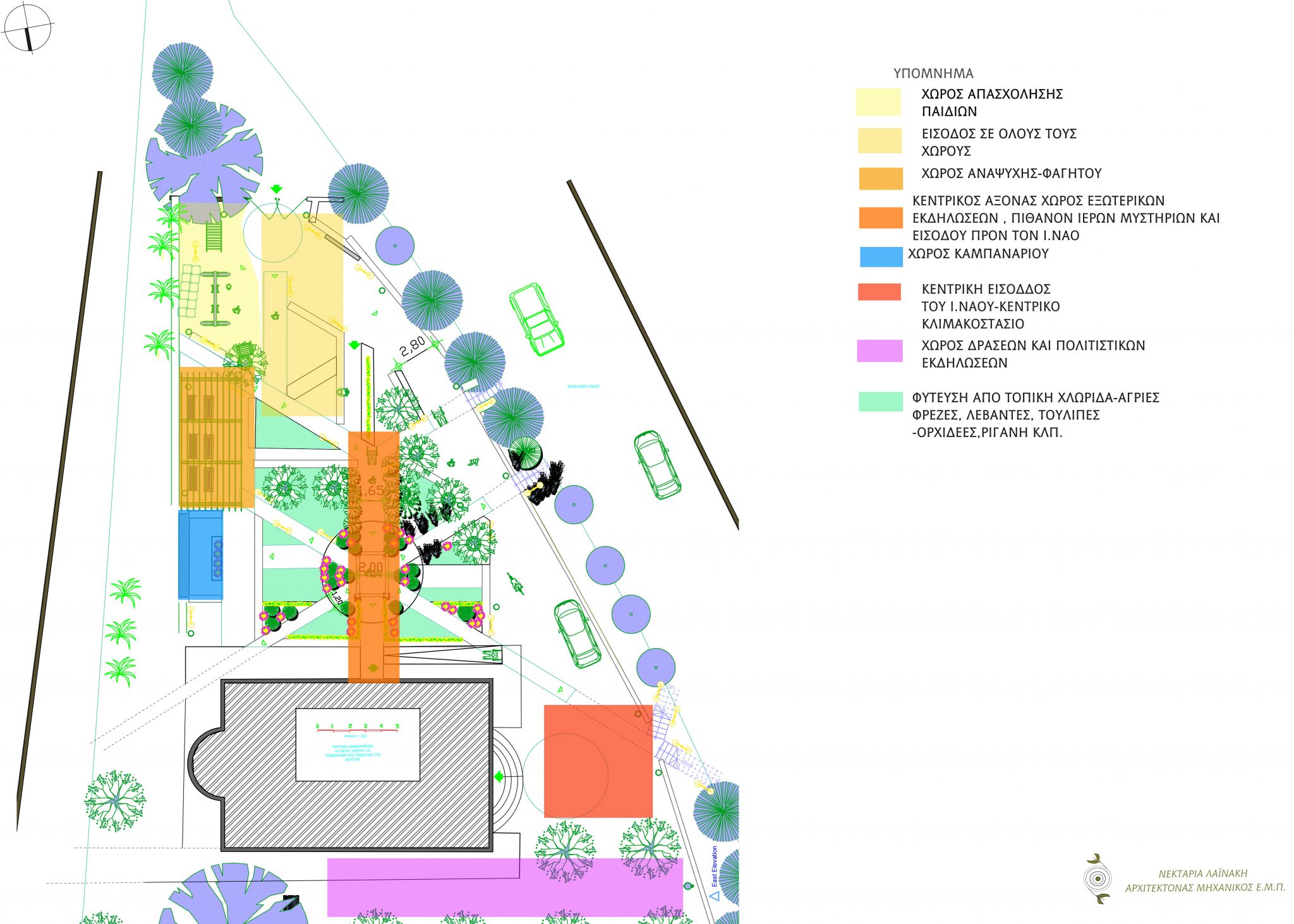
    Ο αύλειος χώρος σχεδιάστηκε και παρουσιάστηκε (για την επίσης σύμφωνη γνώμη), στον Σεβασμιότατο κ.κ. Αμφιλόχιο. Θα αποτελεί ένα συνδετικό κρίκο όλων των τοπόσημων με σύνδεση την ιερότητα του χώρου και του ναού. Στόχος να δημιουργηθούν πράγματα που εκτός από καλαίσθητα να είναι και ηθικά φτιαγμένα, που δεν καταστρέφουν το περιβάλλον αλλά το βελτιώνουν, κάνοντας και τη ζωή των ανθρώπων καλύτερη. Για παράδειγμα η συγκεκριμένη αυλή του Ι.Ναού θα μεταλλαχτεί σε ένα πάρκο, που θα βελτιώσει την καθημερινότητα των ανθρώπων που θα το επισκέπτονται, όπως αυτοί θα βιώνουν τις δράσεις στο χώρο, όπως θα κάθονται στα παγκάκια που δεν θα τους απομονώνουν αλλά τους ενώνουν και τους βοηθούν να έρχονται κοντά ενώ θα απολαμβάνουν τα οφέλη της φύσης. Μια δυναμική ένταξη ένα πέρασμα του τοπίου στον αύλειο χώρο της εκκλησίας με δράσεις θρησκευτικές , πολιτιστικές απλές και ανθρώπινες.

    Ο σχεδιασμός βασισμένος σε πρωτογενή σχήματα , όπως το τετράγωνο και ο κύκλος, η θεωρία σχεδιασμού κήπων των βενετσιάνικων επαύλεων, δημιουργούνται χώροι για κίνηση , δράσεις και φύτευση. Έτσι δημιουργούνται και μικρά οικοσυστήματα που βοηθούν να διατηρηθούν και να αναπτυχθούν είδη φυτών από τον τόπο μας όπως άγριες φρέζες, άγριες τουλίπες, άγριες ορχιδέες, λεβάντες, φλισκούνι, θυμάρι κλπ. Οι αισθήσεις στο χώρο ενισχύονται και ενεργοποιούνται. Η φιλοσοφία είναι ο χώρος να σχεδιαστεί για όλες τις ανάγκες, τις ηλικίες , τις ιδιαιτερότητες. Σχεδιάζοντας λοιπόν για όλους. Οι χαράξεις του χώρου με τα κλιμακοστάσια και τις ράμπες οδηγούν στα σημεία του οικισμού –Έπαυλη-ελαιουργείο εκκλησίες αλλά και ανατολικά στο χώρο ενός μεγάλου αλωνιού στον οποίο μελλοντικά θα δημιουργηθεί ένα χώρος αμφιθεατρικός για διοργάνωση μεγάλων εκδηλώσεων από τον σύλλογο και τους ανθρώπους της περιοχής του Βλάτους. Το όραμα των ανθρώπων της ομάδας εργασίας του συλλόγου δυναμικός. Ο ρόλος τους δημιουργικός. Ο χώρος του οικισμού του Βλάτους και των μικρότερων γειτονιών ενεργοποιούνται , αναγνωρίζονται και γίνονται προορισμός. Πρέπει να ξαναζωντανέψουμε την ιστορία μας μέσα από διαδρομές και σημεία αναφορών, όπως πινακίδες με σημαντικές πληροφορίες . Έτσι Δημιουργούνται οργανωμένοι χώροι πολιτισμού σε ένα δίκτυο περιήγησης πολιτιστικών και αξιόλογων σημείων με κέντρο τον αύλειο χώρο της συγκεκριμένης εκκλησίας .Ένας χώρος με πολλές δράσεις και εμπειρίες για όλους.

  • Πανηγυρικός της ημέρας για τον εορτασμό του Αγ.Γεωργίου Κ.Μηλιάς

    Πανηγυρικός της ημέρας για τον εορτασμό του Αγ.Γεωργίου Κ.Μηλιάς

    Του Γιάννη Παπαδημητράκη

    Αγαπητοί συγχωριανοί, συγγενείς και φίλοι.

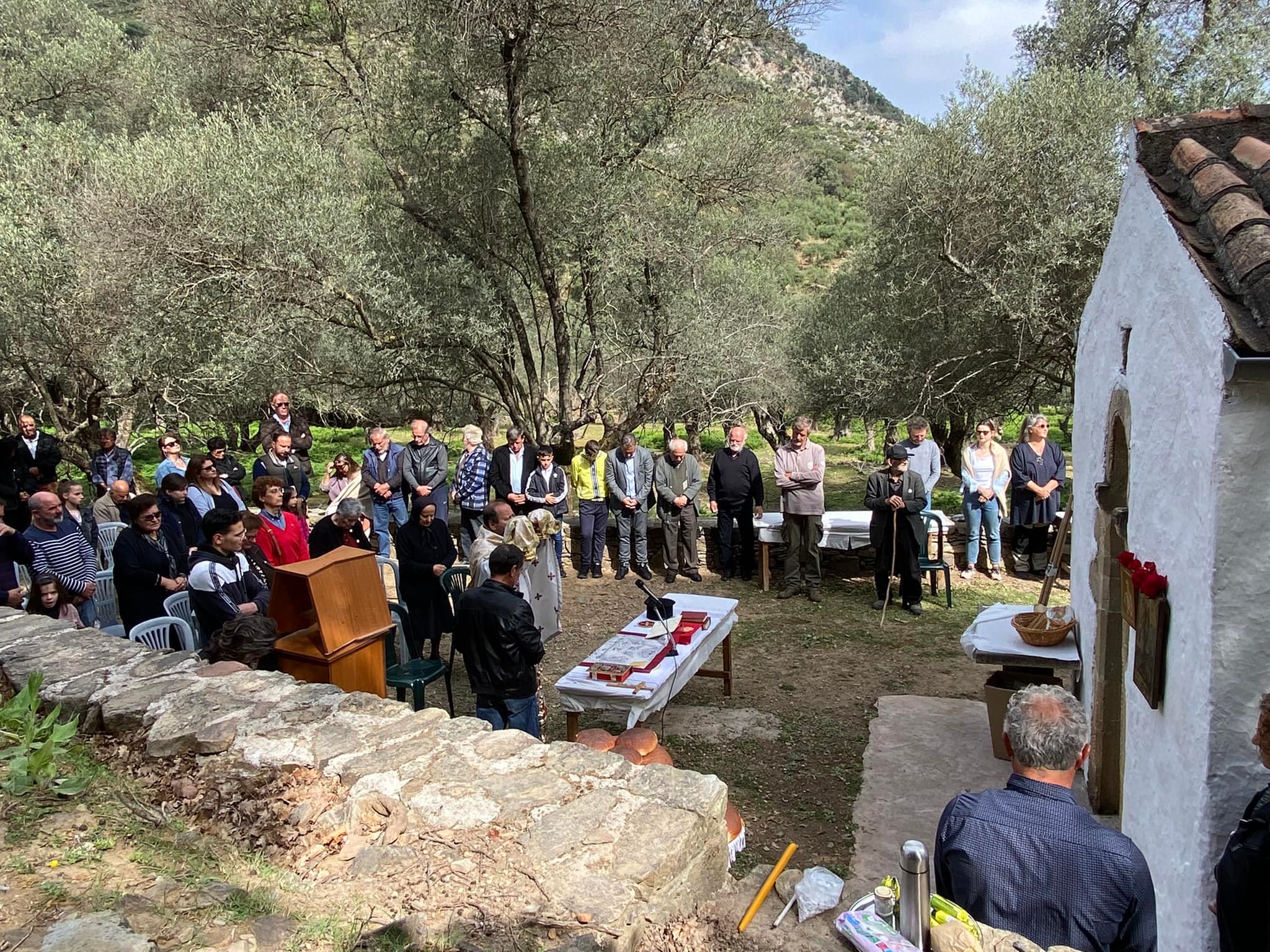
    Συναθροιστήκαμε  και σήμερα 8 του Μάη  στο ξωκλήσι του Αγίου Γεωργίου στον μαγευτικό χώρο της Μηλιάς και για να τιμήσουμε με την παρουσία μας  την εορτή του Αγίου Ιωάννου του Θεολόγου.

    Τι είναι άραγε αυτό  που πέραν της βαθιάς Χριστιανικής  μας  πίστης ,

     μας οδηγεί  να επισκεπτόμαστε τα δυσπρόσιτα ξωκλήσια αυτά και να  αφιερώνουμε τάματα και προσφορές προς Χάριν των αγίων?

    Μήπως πέραν της Πιστής αυτής υπάρχει έμφυτη βαθειά μέσα μας ,η ανάγκη να ψηλαφήσουμε  το παρελθόν και την ιστορία μας ,

    να μνημονεύσουμε τους προγόνους και προκάτοχους μας 

    αλλά και να προσθέσουμε με την παρουσία μας αυτή …έναν ακόμα συνδετικό κρίκο  στην μακραίωνη  ιστορία του τόπου?

    Ξεκινάμε λοιπόν από   την πρώτη Βυζαντινή περίοδο που η Κρήτη και η Κίσσαμος πέφτουν  στην κατοχή των Αράβων από το 824 ως το 961 μ.χ 

    Σφαγές και λοιμοί αποδεκατίζουν τον ντόπιο πληθυσμό και αναγκάζουν τον Βυζαντινό Αυτοκράτορα Νικηφόρο Φωκά αρχές του 10ου αιώνα  με την βοήθεια διακεκριμένων Βυζαντινών οικογενειών από την Κωνσταντινούπολη -τα γνωστά 12 αρχοντόπουλα – αλλά και άλλων σλάβικών φυλών της Βυζαντινής αυτοκρατορίας να εξολοθρεύσουν τους κατακτητές  και να  αποικήσουν και να ανασυντάξουν την Κρήτη και την Κίσσαμο.

    Τα 12 Αρχοντόπουλα,  Σκορδύλης, Γαβαλάς, Αρχολέος, Χορτάτζης, Μουσούρος, Φωκάς (το όνομα της οικογένειας άλλαξε κατά την εποχή της Ενετοκρατίας σε Καλλέργη),  κ.α κατέλαβαν μεγάλες γεωγραφικά εκτάσεις  στην  Κρήτη,   για εκμετάλλευση της  γης  και καλλιέργεια της.

    Δεν είναι τυχαίο ότι διπλανά χωρία  μας όπως Βούλγαρο -Τοπόλια αποτελούν σλάβικα τοπωνύμια  που διατηρούνται μέχρι σήμερα  από την εποχή εκείνη ….και μαρτυρούν την εγκαθίδρυση σε αυτά του Βυζαντινού σλαβικού πληθυσμού και αλλά επίσης  χωριά όπως Καλλεργιανά  που φέρουν το όνομα του κτήτορα Αρχοντόπουλου  Καλέργη όπως προείπαμε.

    Στο διπλανό χωριό Κεφάλι του Δήμου μας, στον Ναό Μεταμορφώσεως του Σωτήρος είναι χαραγμένο το οικόσημο της οικογένειας Καλλέργη.

     Επίσης δεν είναι τυχαίο ότι σε όλην την ευρύτερη  επικράτεια της δυτικής  Κισσάμου είναι διάσπαρτα ξωκλήσια του Αγίου Γεωργίου που εθεωρείτο  προστάτης Αγιος της Οικογένειας Καλλεργών.                                           ¨Οπως Αγ.Γεωργιος στο Κούνενι, στον Λαγγό  Βλάτους, στην Μηλία ,  στα Βαρσαμάκια…. που χρονολογούνται κατά την   περίοδο  της Ενετοκρατίας  (1211-1669) ενώ   ο Άγιος λατρεύονταν και από τα δύο δόγματα-Χριστιανικό και Λατινικό.

    Κατά την πρώτη περίοδο της Ενετοκρατίας  ,Οι Ενετοί παραχώρησαν  κάποια προνόμια -δικαιώματα τους απογόνους των πιο πάνω Αρχοντόπουλων  για την καλλίτερη διοίκηση και οικονομική διαχείριση  των περιοχών αυτών. 

    Όμως όταν  οι Ενετοί   εγκαθιστούν τους δικούς τους τοπάρχες –άρχοντες σε κάθε περιοχή  ο ντόπιος πληθυσμός περιορίζεται σε καταναγκαστικά έργα και λειτουργεί ως φαμεγιος στα κτήματα και στα κοπάδια των φεουδαρχών αρχόντων. 

    Ενδεικτικά και της κτηνοτροφίας εκείνης της περιόδου  είναι και τα γύρω τοπωνύμια ,Βασιλικό πέρασμα, Βουκολιά, Πόρος ,Βουκοπερασματα, Ξεχύματα.

    Ξεχύματα των οζών από τα Ρογδιανά  περάσματα προς την Κουτσουνάρα Βλάτους για να ξεδιψάσουν …..Ξεροπεράσματα και Βασιλικό πέρασμα  των οζών από  την περιοχή Μπίκερη Στροβλών και Συκιάς Βλάτους , και τελος πέρασμα των ζώων από τον Πόρο δηλ από Μιχελιανά προς Καρυδάκι και Μιλιά.

    Κατά πάσα πιθανότητα τότε ξεκίνησε ο συστηματικός οικισμός περιοχών όπως η Μηλιά και το Καρυδάκι και η συστηματική καλλιέργεια της τσουνατης  Ελιάς ενώ από τότε σώζονται οι αξιοπρόσεκτες λιθοδομές-ξερολιθιες  ,  στις πεζούλες με τα ελαιόδεντρα αυτά.

     Χαρακτηριστικό παράδειγμα είναι η εγκατάσταση της οικογένειας Μιννότο στην περιοχή γύρω στα 1400 … ορίζοντας  την ευρύτερη περιοχή Βλάτους υπό την  διοίκηση  του Michelle Minotto  και  την ευρύτερη περιοχή Κεφαλίου υπό τον Nichollό Minoto (σύμφωνα με αξιόπιστες πηγές).

    Από τα ληξιαρχικά βιβλία των Ενετών Ευγενών έχομε την μαρτυρία 2 βαπτίσεων της οικογένειας Minotto που έγιναν από τον ιερομόναχο Μινότό στον Αγιο Γεώργιο στα  Βαρσαμακια και ακόμα ότι η μητέρα των παιδιών λεγόταν Βιτζαμάνα Μινοτο και ότι είχε Κρητική ευγένεια και καταγωγή.

    Επίσης στις Ενετικές απογραφές της εποχής  πρωτοεμφανίζεται και το χωριό Μηλιά ….στο οποίο όπως αναφέρεται βρίσκονταν μερικά σπίτια –οικήματα της εποχής  που κατοικούνταν από 15 έως 20 οικογένειες…

    Πιο συγκεκριμένα στην απογραφή του Φραντζέσκο Βασιλικάτα το  1577  αναφέρονται λεπτομερώς  η Μηλιά  όπως και τα διπλανά χωριά Καρυδάκι και Κεραμάρι ενώ  στην Απογραφή του Τριβιάν το 1645 αναφέρονται τα χωριά Βλάτος ,Βουκοπερασματα,Καρυδάκι,Μηλια..  κλπ 

    Σύμφωνα με τα γραπτά κείμενα του προβλεπτή Λουκά Μικιέλη  το 1575 οι Ευγενείς Κρητικοί ζούν σύμφωνα με το δόγμα της Ρωμαικής εκκλησίας ενώ ο απλός λαός και οι αστοί ζουν σύμφωνα με το ορθόδοξο δόγμα και δοξάζουν την πίστη τους , στα κατά τόπους ξωκλήσια κοντά στις αγγαρείες που έχουν επιφορτιστεί να επιτελούν… από τον ενετό Άρχοντα .

    Το εκκλησάκι του Αγίου Γεωργίου  της Μηλιάς φαίνεται είχε πλήρως περάσει από την αρχή  στην δικαιοδοσία ορθόδοξων ιερέων ακόμα και αν διατηρεί ένα έκδηλο χαρακτήρα ενετικό… 

    ΑΝΑΤΟΛΙΚΑ  διαθέτει ορθογώνιο αλτάριο ενώ πάνω από τη θύρα εισόδου διατηρείται τετράγωνη ανακουφιστική παραθύρα. 

    Οι παραστάδες στην κυρία θύρα εισόδου είναι από πέτρες λαξευμένες , με ακανόνιστα μοτίβα καθαρά λαϊκά της αναγεννησιακής περιόδου  της  εποχής εκείνης κατά μία έννοια ή κατά μια άλλη  …από πέτρες κάποιου κτίσματος αραβικού  χαρακτήρα…. της αραβικής περιόδου κατοχής  από το 824 ως το 961 όπως προείπαμε.

    Ο Θόλος  της εκκλησίας εσωτερικά στηρίζεται από  οξυκόρυφο πέτρινο τόξο στα 2 σκέλη του οποίου είναι ανάγλυφα λαξευμένοι χριστιανικοί Σταυροί Βενετσιάνικης  τεχνοτροπίας βαμμένοι με ανεξίτηλο πορφυρό χρώμα της εποχής όπως συνηθίζονταν. 

    Ο απλός μα και σχετικά  παραπεμπτικός  ρυθμός της εκκλησίας παράλληλα με την ύπαρξη ταφικών ευρημάτων πέριξ του ναού  ,   σε συνδυασμό με  τα όσα προείπαμε για τις Ενετικές αγγαρείες  της εποχής εκείνης ,μας  οδηγεί να δεχθούμε ότι χτίσθηκε κατά την  περίοδο προγενεστέρα του 1577 περίοδο της πρώτης γραπτής απογραφής.

    Της ίδιας εποχής είναι και τα ξωκλήσια που βρίσκονται στην γύρω περιοχή που τα διατήρησε μέχρι σήμερα η χριστιανική ευσέβεια όλων ,των προγενεστέρων και μεταγενεστέρων κατοίκων των γύρω χωριών.

    Αν αναλογιστούμε ιδιαίτερα,   ότι από 30 γενναιές   περίπου προγόνων μας ,έφτασαν αναλλοίωτα έως σήμερα τα ξωκλήσια αυτά ,  μας υποχρεώνει να σεβαστούμε τον οίκο τούτο  και να είμαστε πολύ προσεκτικοί σε όποιου είδους επεμβάσεις ή καλοπισμούς παραδίδοντάς τα, αναλλοίωτα  στις επόμενες γενιές  ,στον επόμενο κρίκο της αλυσίδας της ζωής .

    Τελειώνοντας….. μια που μιλήσαμε για ιστορία , θα ήθελα να αναφερθώ σένα πολύ  σημαντικό χριστιανικό έθιμο που  διατηρείται αναλύοτο  μέχρι και σήμερα και που θα βιώσουμε  σε λίγο. 

    Θα αναβιώσουν οι Αγάπες, το πρωτο-χριστιανικό έθιμο της προσφοράς άρτων και λοιπών   δώρων .

    Οι πρώτοι χριστιανοί, παρά τα όποια προβλήματα, ήταν πολύ αγαπημένοι μεταξύ τους. Ήταν ενωμένοι σαν μια οικογένεια γιατί  είχαν εφαρμόσει το σύστημα της κοινοκτημοσύνης, δηλαδή τα υλικά αγαθά ήταν κοινά σε όλους. Μοίραζαν μεταξύ τους ό,τι είχαν με τέτοιο τρόπο, ώστε κανείς να μη στερείται τίποτα.

    Σήμερα στην εποχή της παγκοσμιοποίησης, εποχή των τεχνολογιών και του ιντερνετ, εποχή που μέσω του facebook έχουμε δήθεν χιλιάδες φίλους  αλλά  στην πραγματικότητα …μας τρώει η καθημερινή μοναξιά ,

    Σε μια εποχή όπου ο καθένας κλείνεται  στον εαυτό του και όπου οι άνθρωποι παρασύρονται στην απόκτηση υλικών αγαθών, η κοινοκτημοσύνη  ,η συμμετοχή ,   η προσφορά στα πανηγύρια  και στα δείπνα τούτα  , μας υπενθυμίζουν έναν άλλο δρόμο, έναν άλλο τρόπο πραγματικής ευτυχίας  ….τον δρόμο της αληθινής και έμπρακτης αγάπης.

    Αξίζουν πολλών συγχαρητηρίων λοιπόν – όλοι οι δωρητές και οι προσφέροντες τα δώρα  τούτα. – Χρόνια πολλά με υγεία σε όλους!