When the summer sun dips below the White Mountains and the last tourists pack their bags, Vlatos exhales. The roads empty, the air turns crisp with the scent of woodsmoke and damp earth, and the village settles into its true rhythm—a gentle pulse of 500 souls across Innachorio, families tending to the land that has sustained them for generations. No more the hum of rental cars or the chatter of jazz nights; just the soft patter of rain on olive leaves and the distant call of a shepherd’s pipe. This is Vlatos in winter: not dormant, but alive in ways only locals know.
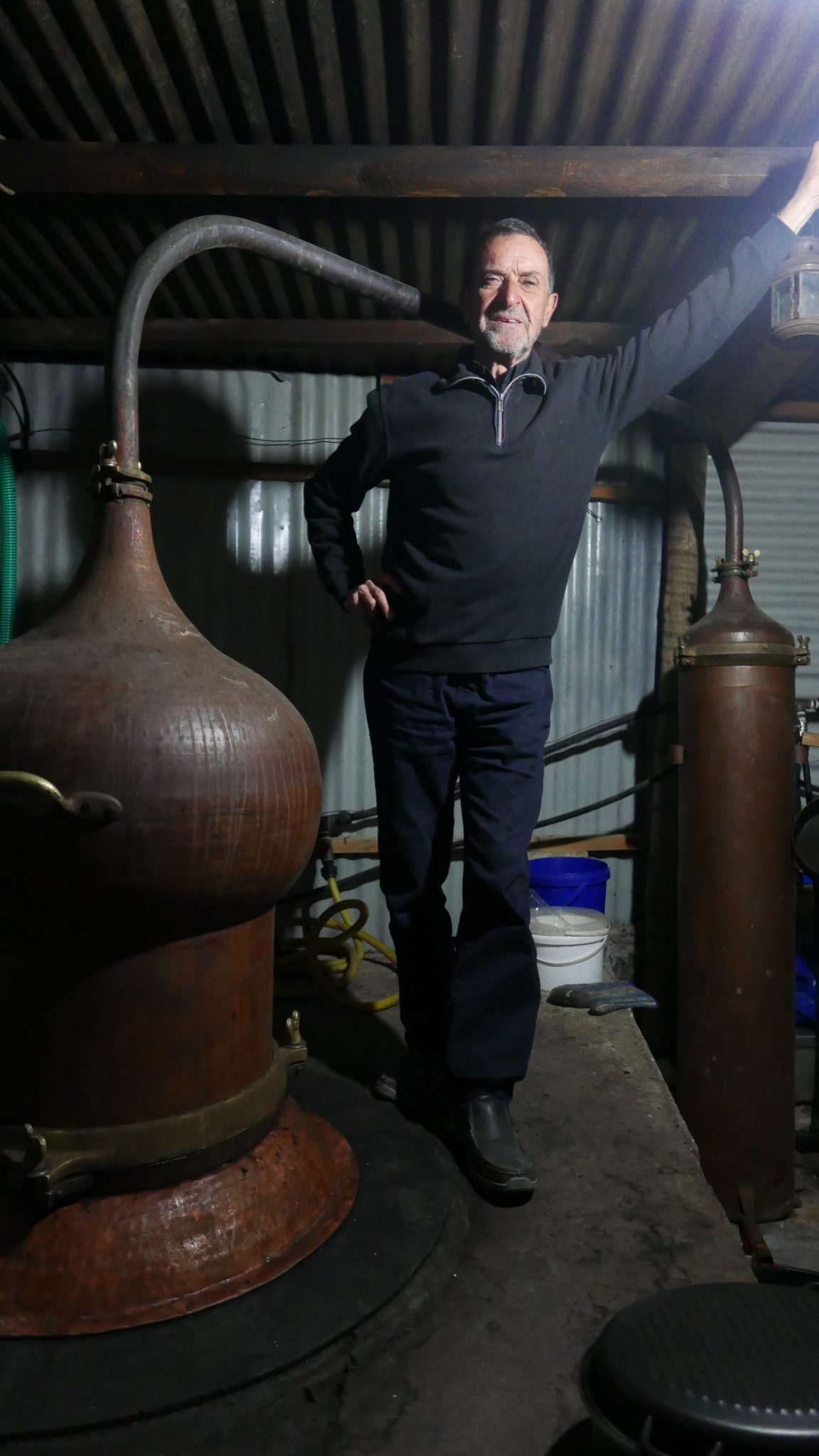
September marks the sweet transition, when the heat fades and the first grapes swell on the vines. Families gather in stone courtyards for winemaking, their hands stained purple as they crush the fruit underfoot or in wooden presses. The air fills with the tangy ferment of must, laughter echoing off the hills as children splash in the sticky runoff. By October, the wine is racked into cool barrels, left to dream through the months. But the real ritual of the month is tsikoudia—our fiery raki. The fermented fruit is boiled in copper cauldrons over open fires, the steam carrying a heady aroma of anise and earth that draws neighbors together. As the first rains arrive, pattering on terracotta roofs like a soft drumbeat, the golden spirit is bottled, a warm promise against the coming chill.
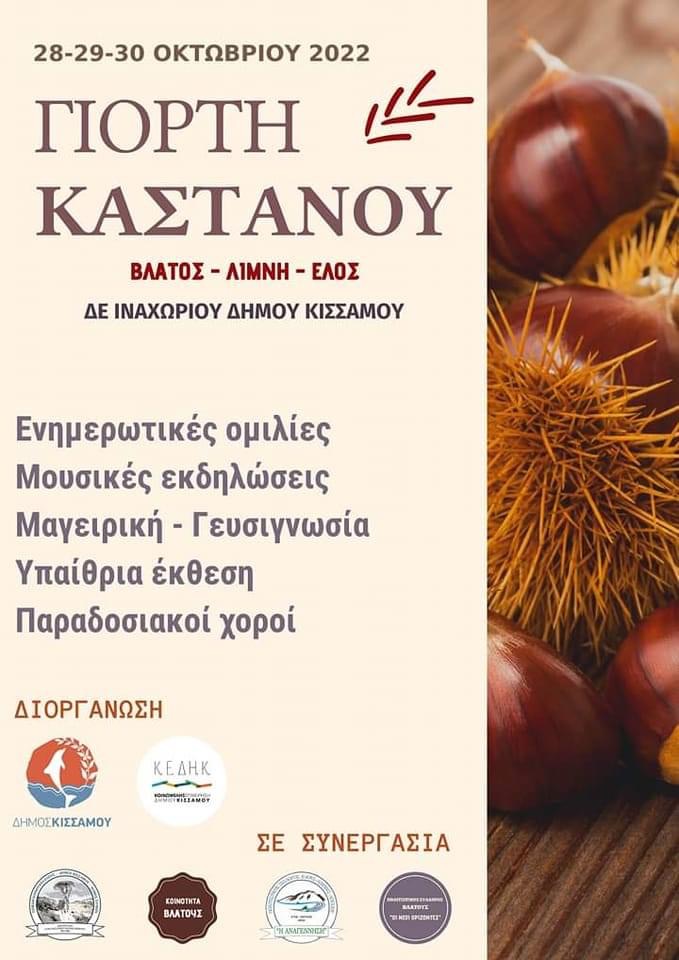
October also brings the chestnut bounty, a gift from the ancient forests. Locals climb the slopes to harvest the spiky husks, then celebrate with a three-day festival: in Vlatos, teachings and tastings on the Cretan chestnut’s lore; in Limni, workshops on chestnut cooking—roasts, stews, sweets; and in Elos, a bustling farmers’ market that draws crowds from Chania, the air thick with roasted nuts and mulled wine.
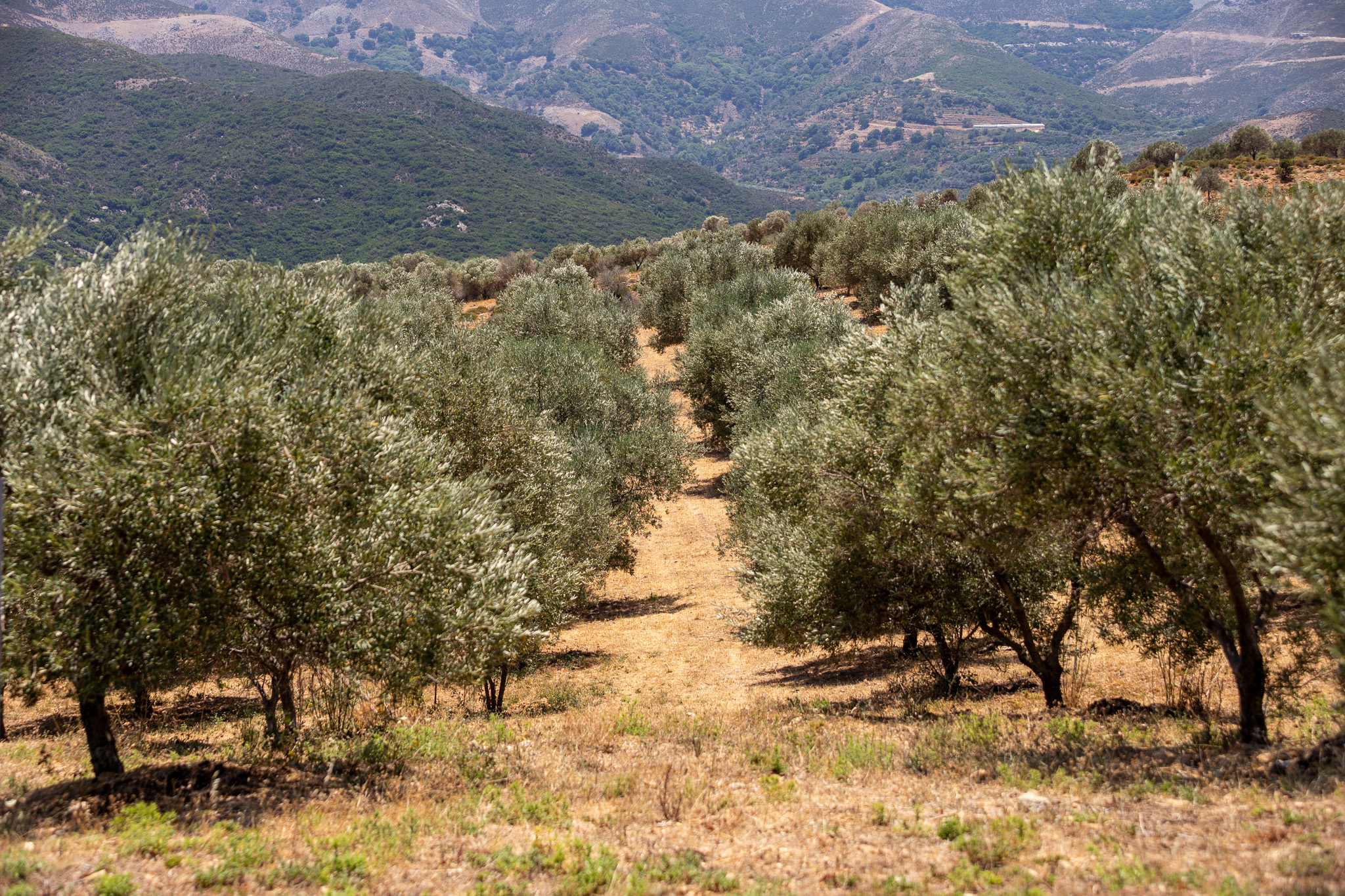
November heralds the olive harvest, a labor of love that stretches until April. Under gray skies, families shake the gnarled trees with long poles, the fruit tumbling like dark jewels onto nets below. The local olive mill hums to life, its stone wheels grinding the harvest into peppery extra virgin oil—fruity, robust, with that bite of green grass and almond that lingers on the tongue. It’s the taste of Crete distilled, poured into tins that will fuel winter soups and summer salads alike.
Winter also brings quieter pursuits. The strawberry tree (Arbutus unedo) ripens its bright red, strawberry-like fruit from November to February—sweet-tart, perfect eaten fresh, in jams, or steeped into raki. The forests and hillsides awaken with foragers hunting rare mushrooms (porcini, chanterelles, boletus) and hunters tracking hare, rabbits, and birds with their loyal Cretan hounds or rifles. The crack of distant shots and the baying of hounds become part of the winter soundtrack, a reminder that the land still provides for those who know how to listen.
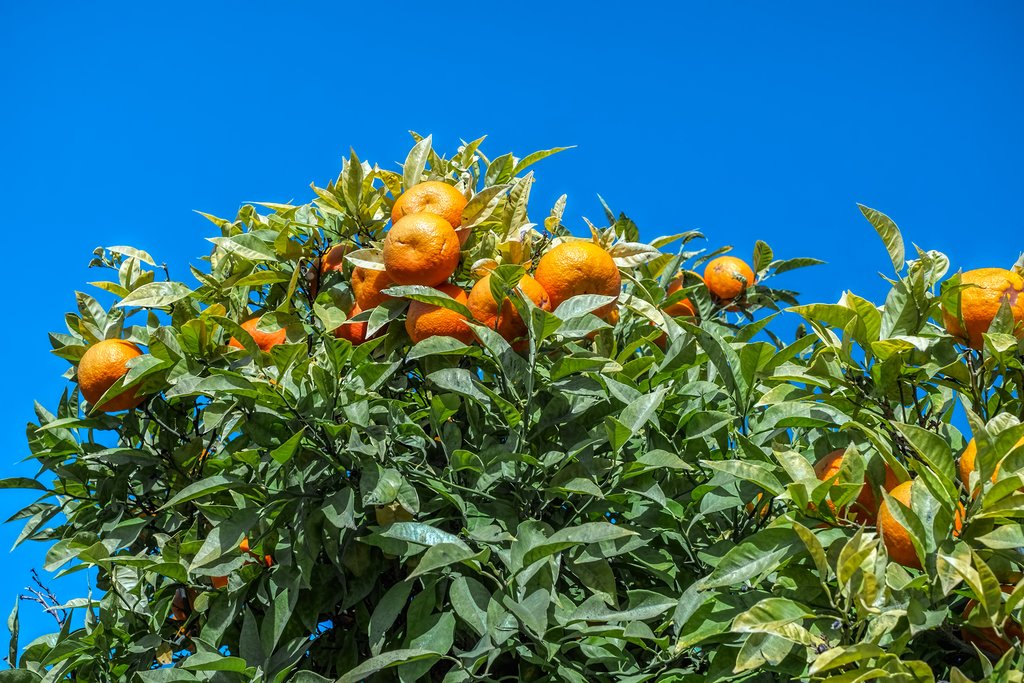
In Vlatos, winter wraps the village in a quiet abundance of citrus that scents the air and brightens the gray days. Oranges hang heavy and golden from the branches, their thick peel releasing a sharp, sweet perfume when brushed against in passing. Mandarins—small, easy-to-peel jewels—cluster like lanterns, their bright skins warm to the touch and bursting with juicy sweetness that stains fingers sticky. Lemons dangle like pale drops of sunlight, their zest so intense it lingers on the skin long after you’ve sliced one for tea or raki. Even the occasional bitter orange (nerantzia) waits patiently on older trees, its knobbly fruit prized for marmalade and the sharp, aromatic liqueur locals make in small copper stills. These trees line garden walls, edge narrow lanes, and dot the edges of olive groves, their glossy leaves evergreen against the pale sky. From December through March, the village feels like it’s breathing citrus—tart, vivid, alive—offering handfuls to anyone who stops to say kalimera.

As the days shorten, December and January bring the solar minimum: north winds howl from the White Mountains, dusting the peaks with snow and sending a bracing chill through the valleys. Yet even in the cold, Vlatos warms itself—fires crackling in hearths, wool blankets draped over chairs, and the rare gift of a southern sirocco, a warm breath from Africa that lingers for a week or two, coaxing wildflowers from the earth and filling the air with unexpected spring. March and April are for watching the great migration—flocks of cranes, storks, herons, and smaller songbirds crossing the skies above the mountains, a living spectacle that draws quiet birdwatchers to the trails.
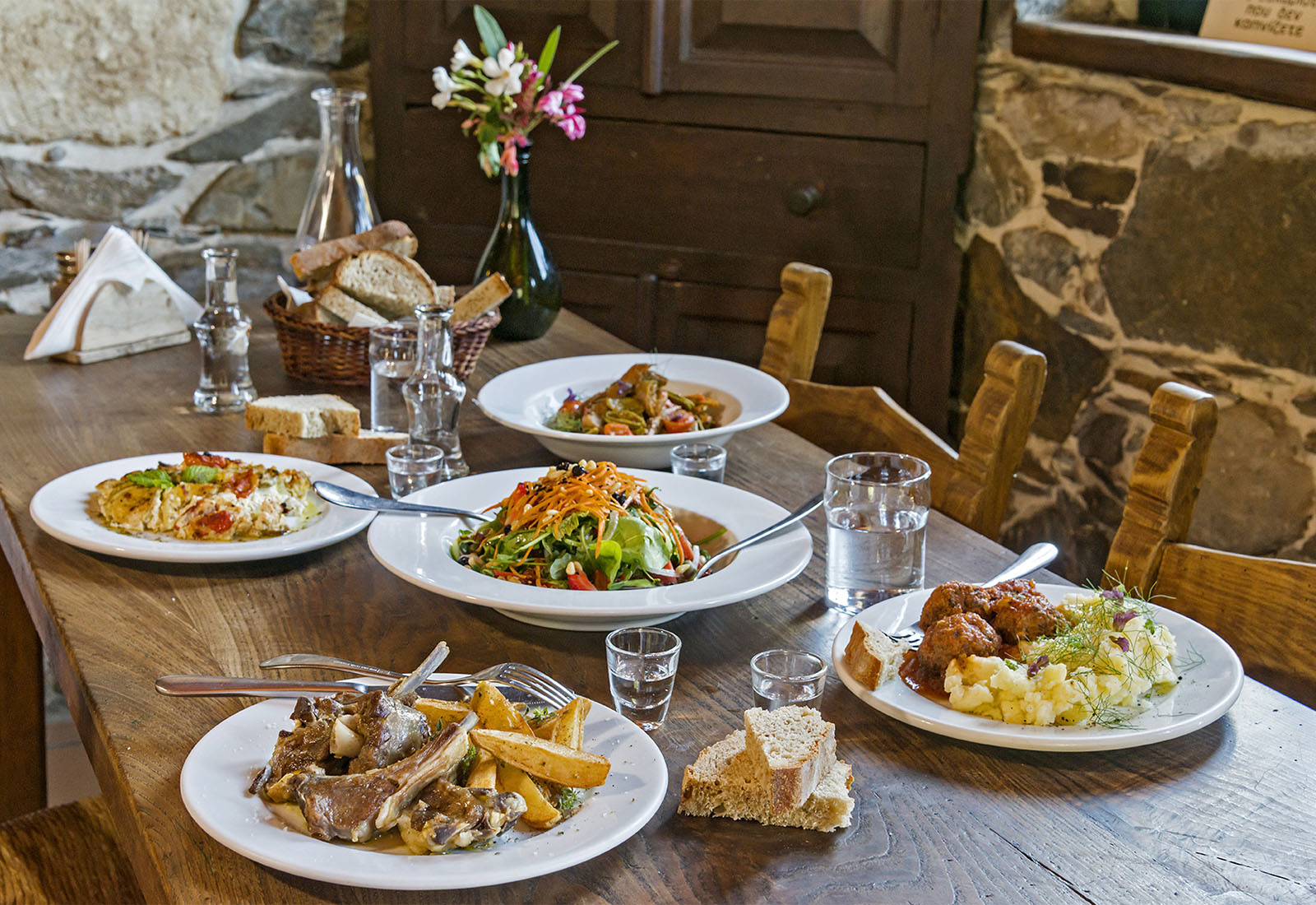
With the tourist season long faded, almost all hotels, tavernas, and beach clubs shutter until Orthodox Easter—the year’s holiest celebration, when lamb roasts and red eggs mark rebirth. Yet two cherished tavernas remain open for the few who venture up: Filoxenia in Elos, where chef Eirini prepares hearty, seasonal dishes with love and precision, and Kapitatios in Katsamatados, where the owner grills tender local goat, serves fresh mountain greens, pours generous glasses of house wine, and always finishes with a warm raki. Both offer honest, reasonably priced Cretan cuisine—comforting plates of slow-cooked lamb, wild greens with olive oil, and whatever the garden and hunters provide—that taste even better in the stillness of winter. Milia Restaurant is open on Friday and Saturday during the months of January and March (reservation required).
In this quiet interlude, the village turns inward: firewood is gathered in towering stacks, winter gardens sown with hardy greens and beans, houses whitewashed against the damp. March and April are for renewal—families repaint facades in fresh limewash, sweep courtyards, and mend stone walls, preparing not just for Easter’s joy but for the new season of visitors who will soon arrive seeking the same peace we cherish year-round.
Winter Vlatos is our secret season, where the village reveals its deepest self—resilient, rhythmic, rooted. It’s a time for the land to rest and the people to gather closer, sharing stories over tsikoudia by the fire. If you’re drawn to the unhurried soul of Crete, come see us then. The mountains are quieter, the stars brighter, and the welcome even warmer. Book your off-season escape at vlatos.gr — your place in the circle is waiting.