Vlatos is a Natura2000 zone
The small mountain village of Vlatos in the Kissamos region (western Crete, Chania prefecture) lies within or directly adjacent to a Natura 2000 protected area, part of the EU’s ecological network for conserving biodiversity.Specifically, Vlatos and its surrounding elongated valley are included in the northern section of the Natura 2000 site focused on Elafonisi – Agios Dikaios (site codes: GR4340002 SAC, GR4340004 SAC, GR4340015 SAC, GR4340016 SPA). This site spans diverse landscapes from the famous pink-sand Elafonisi beach and coastal zone in the south (Chrysocheria to Cape Krios) to the small mountain block of Agios Dikaios and the Vlatos Valley in the north.
Vlatos for plant lovers
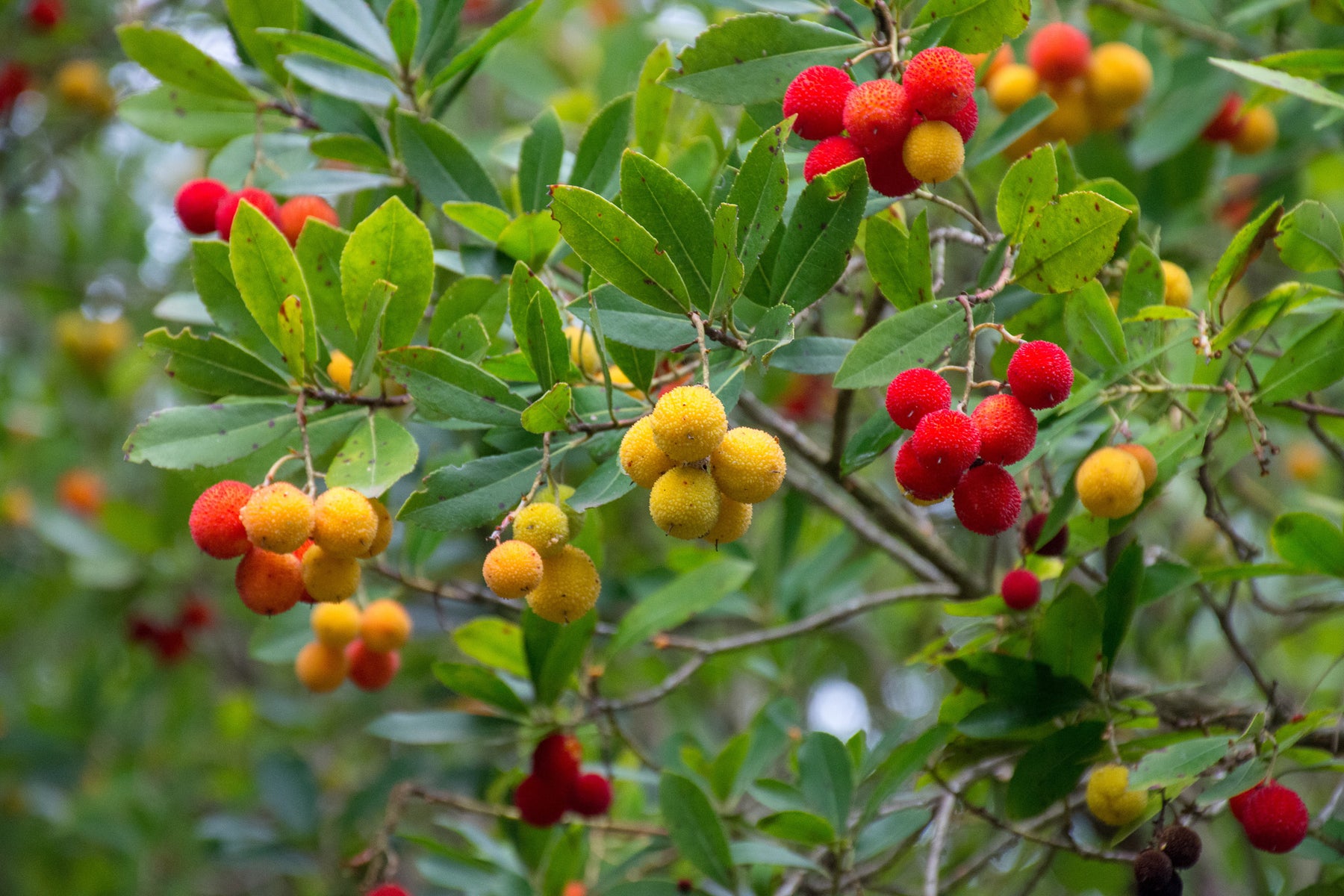
Habitats: Extensive maquis with strawberry trees (Arbutus unedo), rare chestnut groves (uncommon on Crete), and other Mediterranean shrublands/forests.
Vlatos for birdwatchers
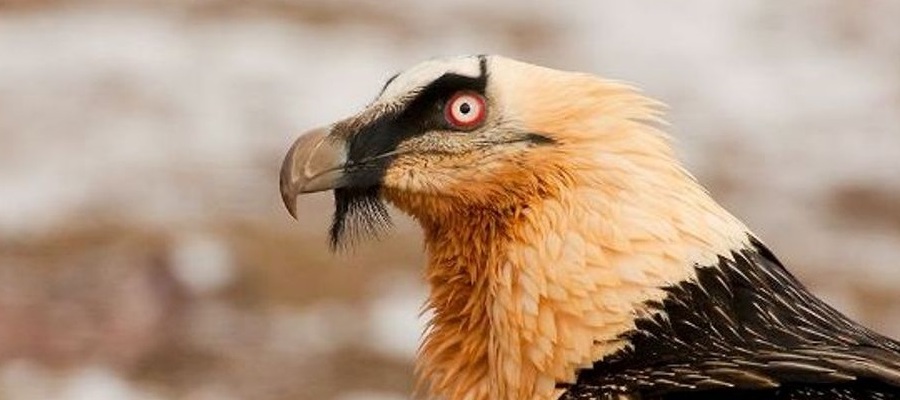
Species: Home to large Cretan raptors like the Golden Eagle, Griffon Vulture, and Bearded Vulture (lammergeier). It serves as an important bird migration corridor, especially in spring.
Vlatos for lovers of flowers
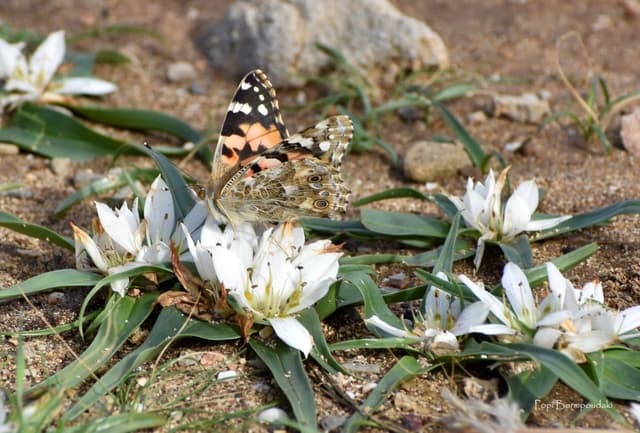
Flora: Supports rare and endemic plants, particularly in the southern coastal/Elafonisi part (e.g., Androcymbium rechingeri).
The Vlatos lanscape is like Toscany meets the lower Alps
Landscape: Mountainous terrain transitioning to valleys with traditional human activity.
The area around Vlatos emphasizes low-impact agritourism and eco-friendly stays (e.g., mountain retreats like Milia nearby), with growing tourism-oriented accommodations while preserving the natural environment. This protection under the EU Habitats and Birds Directives helps safeguard Crete’s unique biodiversity, which covers about 30% of the island through 53 Natura 2000 sites. The Vlatos area benefits from this by promoting sustainable ecotourism amid stunning natural surroundings.