Vlatos, the peaceful mountain village in western Crete’s Kissamos region, is dotted with a collection of small, timeless churches and chapels that reflect centuries of Cretan spirituality, resilience, and architectural tradition. Since the village’s establishment around 1500 AD (during the late Venetian period), locals have built numerous places of worship—simple stone structures that blend Byzantine influences, post-Byzantine styles, and local craftsmanship. These quiet sentinels of faith stand amid olive groves, chestnut forests, and winding paths, open year-round for visitors to explore on foot or by car.
A Brief Historical Context
Crete is renowned for its extraordinary number of Byzantine and post-Byzantine churches—thousands across the island, many dating back over 1,000 years, often featuring frescoes and modest yet elegant designs. Vlatos’s churches are part of this rich heritage, shaped by the island’s history of Venetian rule (1204–1669), Ottoman occupation (1669–1898), and modern Greek identity. They served not only as spiritual centers but also as community anchors, places of refuge during turbulent times, and symbols of enduring Orthodox tradition.
Key Churches in Vlatos
While Vlatos is small, its churches are scattered across the village and surrounding hills, each with its own character and story. Highlights include:
- Church of Agios Ioannis (St. John) — One of the most mentioned and photographed, this chapel represents the village’s deep-rooted Orthodox faith. It stands as a serene example of local religious architecture, welcoming quiet reflection and occasional local celebrations.
- Church of the Holy Spirit — A notable Byzantine or post-Byzantine structure, emphasizing the spiritual legacy of the area with its simple stone form and historical significance.
- Cemetery Churches — In the village cemetery area, you’ll find intimate chapels such as Agios Polycarpos, Agios Charalambos, and Agios Nikolaos. These quiet, atmospheric spots highlight the community’s ongoing connection to faith and remembrance, often with beautiful views of the surrounding mountains.
Many of these churches are small chapels (often single-nave or domed), built with local stone and featuring modest bell towers or arched entrances. Some may contain remnants of older frescoes or icons, though they are generally humble compared to larger island monuments like those in Chania or Rethymno.
Visiting the Churches
All churches in Vlatos are accessible year-round—perfect for a peaceful walk or drive through the village. Respect local customs: dress modestly, keep noise low, and avoid visiting during services unless invited. The serene setting makes them ideal stops during hikes in the Park of Peace or while exploring the village’s heritage.These sacred spaces are more than buildings—they embody Vlatos’s “quiet heartbeat,” linking past generations to the present in a landscape of olive trees and mountain air. Whether you’re drawn by history, spirituality, or the simple beauty of Cretan village life, the churches offer a profound, understated welcome.For more details and photos, check the dedicated page on vlatos.gr: Churches in Vlatos.
Discover this hidden aspect of Crete’s soul—step inside and feel the centuries of quiet devotion.
Related Posts
- Ένα νέο σχέδιο για τους εξωτερικούς χώρους της εκκλησίας μας
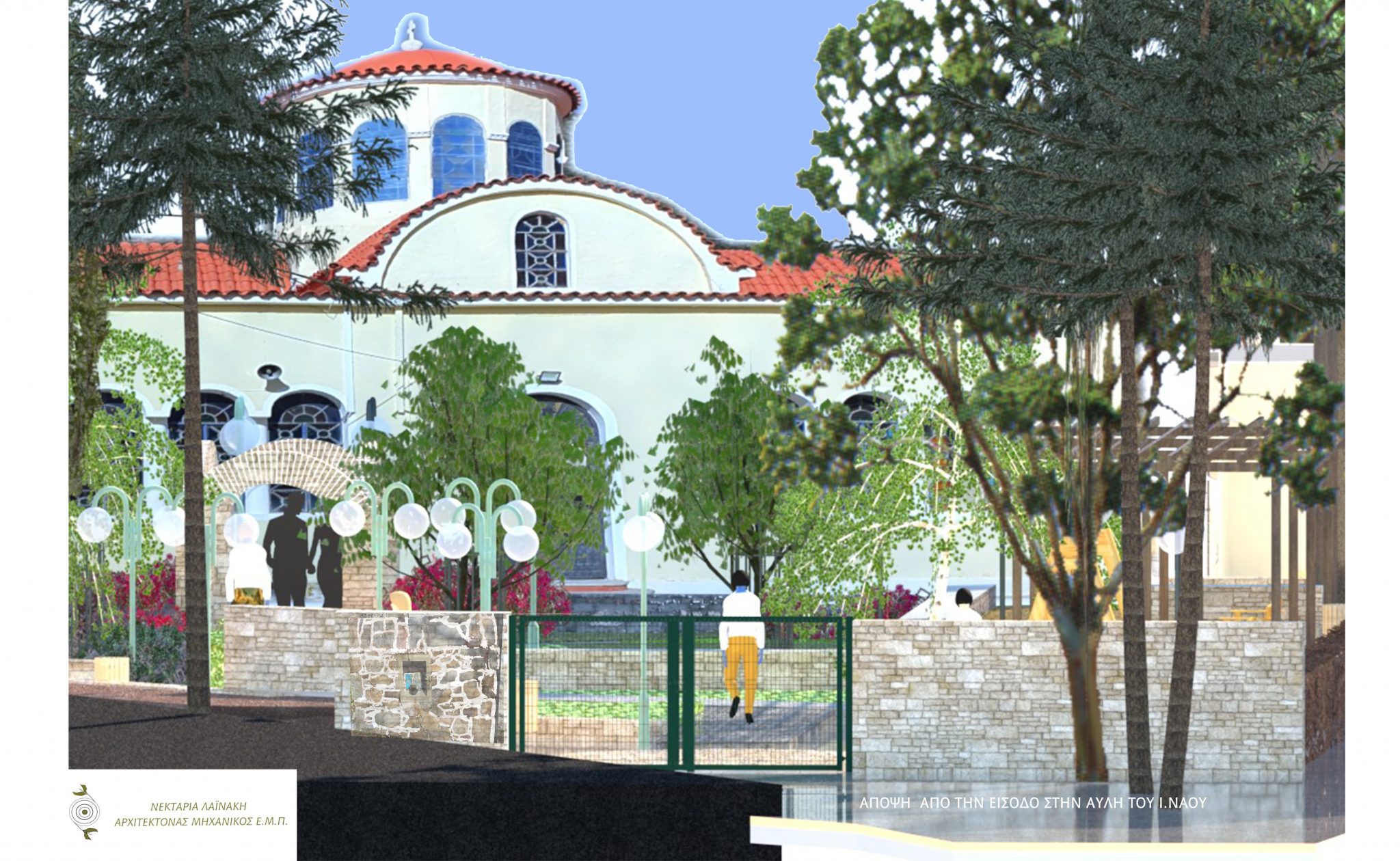 Το Βλάτος ,ένας οικισμός στην ενδοχώρα της Κισσάμου, αναφέρεται πρώτη φορά στην απογραφή του Τριβάν το 1645. Tα χωριά Βλάτος , Βουκοπεράσματα, Καρυδάκι, Μηλιές κλπ. καταγράφονται στα Νοτάρια και στα συμβόλαια προικοσύμφωνων στην περίοδο της ενετοκρατίας.(ιστορικές πληροφορίες από τον κ. Παπαδημητράκη Ιωάννη) Πολλά μνημεία μαρτυρούν την ιστορία του Βλάτους. Σημαντικό η ενετική έπαυλη στην περιοχή… Read more: Ένα νέο σχέδιο για τους εξωτερικούς χώρους της εκκλησίας μας
 - Πανηγυρικός της ημέρας για τον εορτασμό του Αγ.Γεωργίου Κ.Μηλιάς
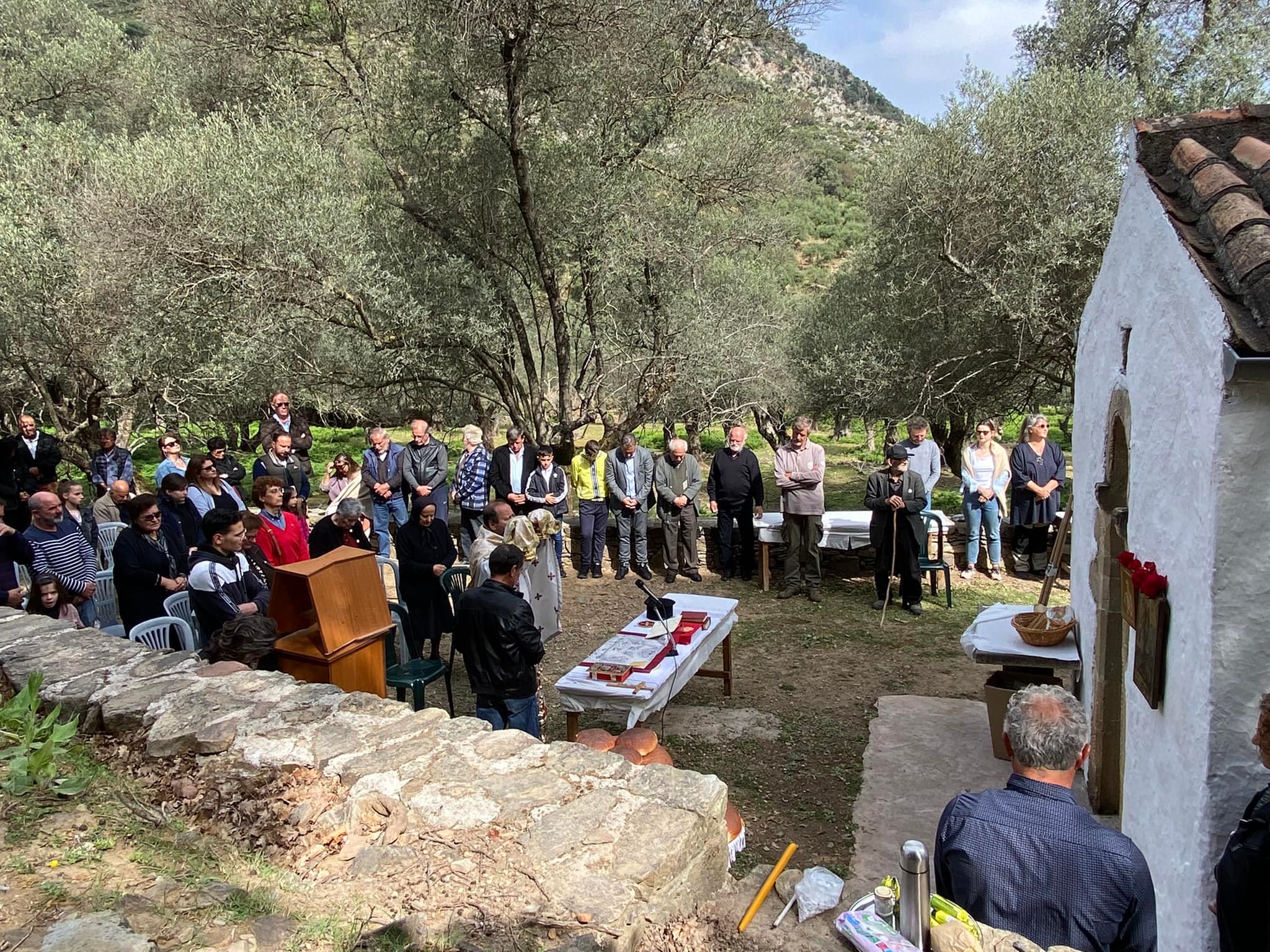 Του Γιάννη Παπαδημητράκη Αγαπητοί συγχωριανοί, συγγενείς και φίλοι. Συναθροιστήκαμε και σήμερα 8 του Μάη στο ξωκλήσι του Αγίου Γεωργίου στον μαγευτικό χώρο της Μηλιάς και για να τιμήσουμε με την παρουσία μας την εορτή του Αγίου Ιωάννου του Θεολόγου. Τι είναι άραγε αυτό που πέραν της βαθιάς Χριστιανικής μας πίστης , μας οδηγεί να επισκεπτόμαστε… Read more: Πανηγυρικός της ημέρας για τον εορτασμό του Αγ.Γεωργίου Κ.Μηλιάς
 - Από τη σημερινή Αρχιερατική Θεία Λειτουργία στην Παναγία Μας
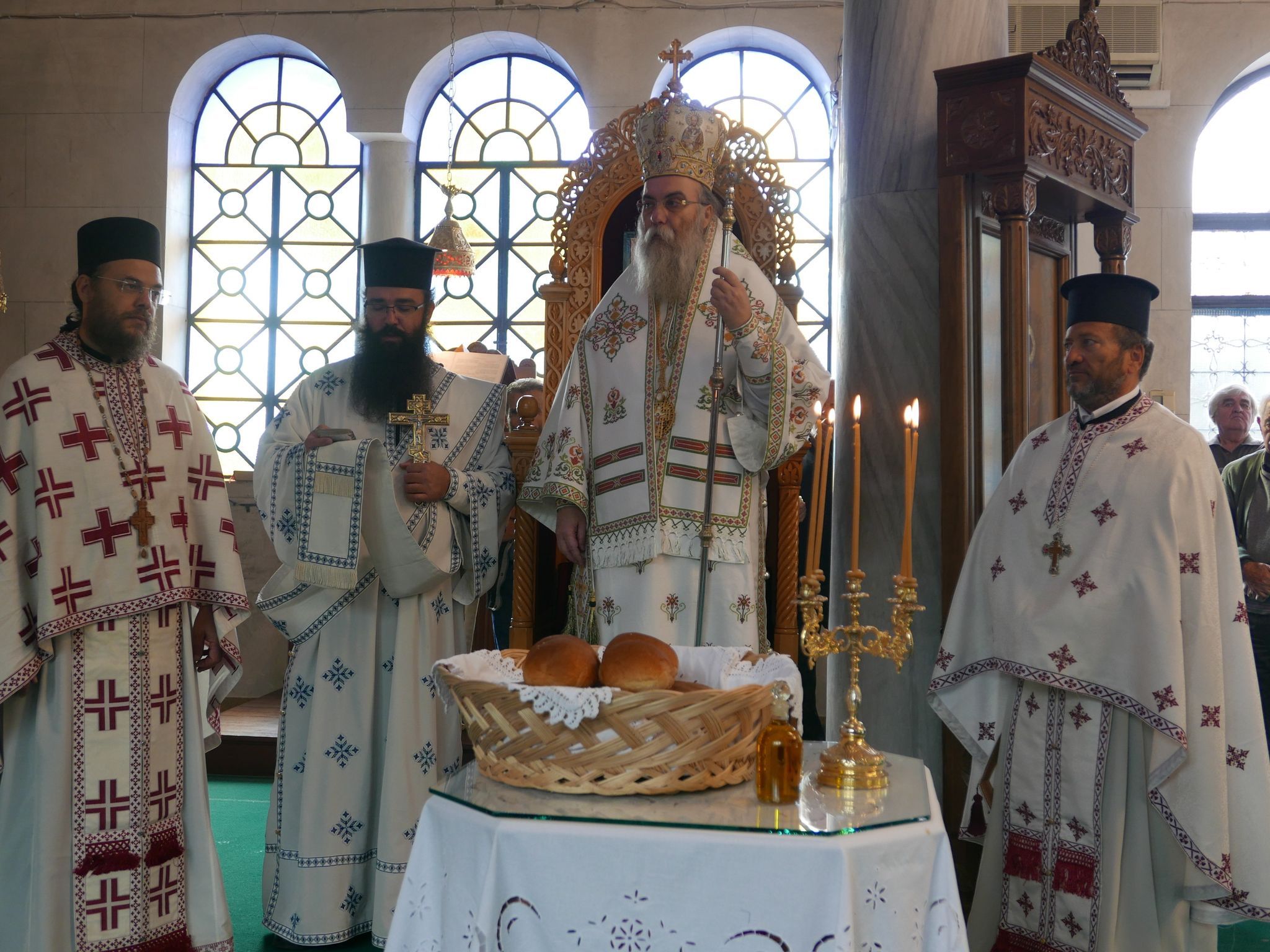 Και η παραλαβή της ενορίας από τον νέο μας Ιερέα π.Γεώργιο Κονταξάκη.
 - ΕΞΩΡΑΙΣΤΙΚΟΣ ΚΑΙ ΕΚΠΟΛΙΤΙΣΤΙΚΟΣ
 ΣΥΛΟΓΟΣ ΒΛΑΤΟΥΣ «ΝΕΟΙ ΟΡΙΖΟΝΤΕΣ» ΑΝΑΚΟΙΝΩΣΗ Στις 8 Σεπτεμβρίου διεξήχθησαν αρχαιρεσίες του Συλλόγου για την ανάδειξη νέου Δ.Σ. από τις οποίες εξελέγησαν οι: Μακράκης Γεώργιος Δερουκάκης Γεώργιος Μακράκης Ραφαήλ Παπουτσάκης Ανδρέας Λιτσαρδάκης Μάρκος Βαϊδάκης Κων/νος αναπληρωματικό μέλος Στην κατανομή αξιωμάτων που έγινε στις 15 Σεπτεμβρίου, κατόπιν προσκλήσεως του ηλικιακά μεγαλύτερου εκ των τριών ισοψηφησάντων, όπως ορίζει… Read more: ΕΞΩΡΑΙΣΤΙΚΟΣ ΚΑΙ ΕΚΠΟΛΙΤΙΣΤΙΚΟΣ
 - Άγιοι Ανάργυροι_Ευχαριστήριο 2020
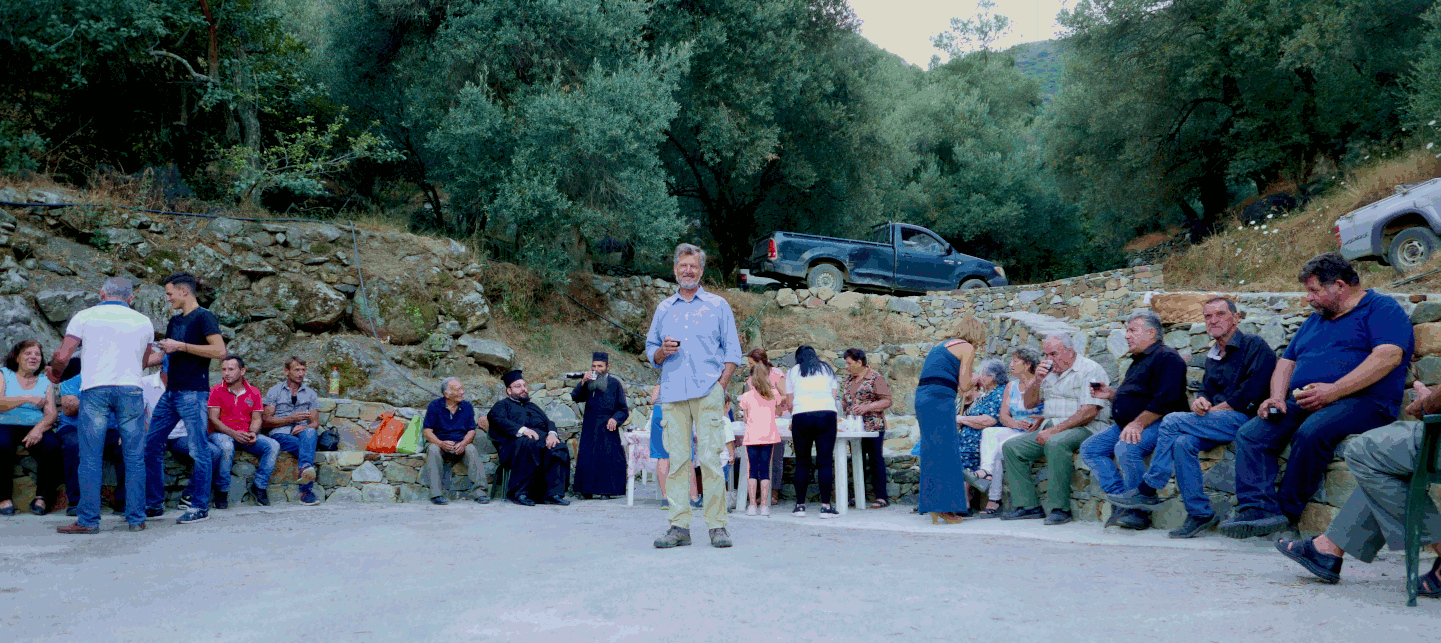 Στο φωτογραφικό αφιέρωμα που ακολουθεί, βλέπετε στιγμιότυπα από τη συμμετοχή των ανθρώπων της περιοχής μας στην γιορτή των Αγίων Αναργύρων. Όπως σε κάθε ανάλογη περίπτωση, στο Βλάτος αναβιώνουμε τις κοινωνικές και πολιτιστικές μνήμες του τόπου, διατηρώντας τα έθιμα και τις συνήθειες που παραλάβαμε από τους προγόνους μας και προστατεύοντας την άϋλη κληρονομιά. Είναι χαρά μας… Read more: Άγιοι Ανάργυροι_Ευχαριστήριο 2020
 - Ο Άγιος Γεώργιος στο Λάγγος
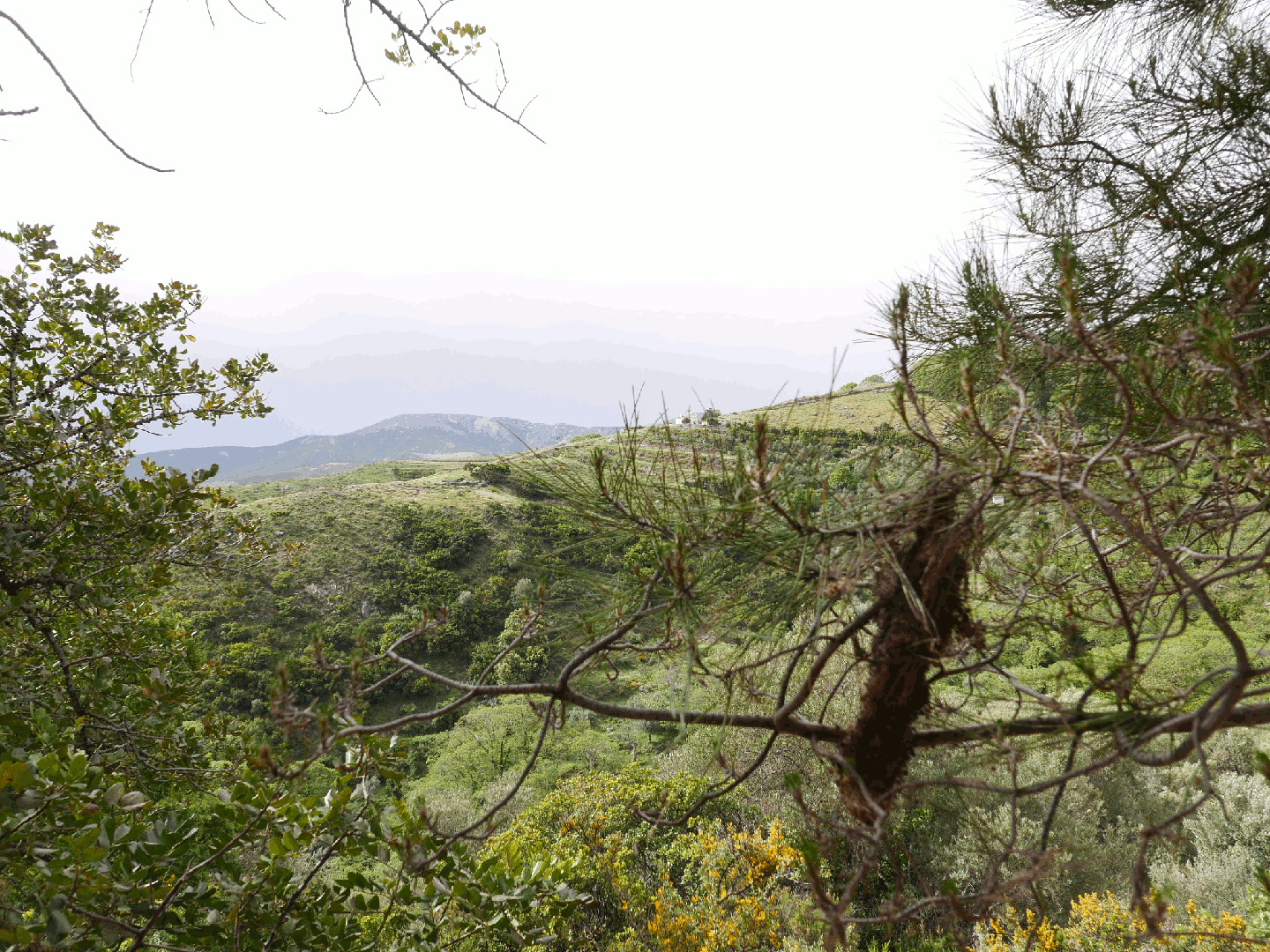 Σήμερα, την Κυριακή 5 Μαΐου, οι κάτοικοι της Ρογδιάς και του Βλάτους γιορτάζουν την εκκλησία του Αγίου Γεωργίου στο Λάγγος. Όπως κάθε χρόνο, τιμάμε σε τρεις διαφορετικές ημερομηνίες τη γιορτή του Αγίου Γεωργίου σε κάθε μια από τις τρεις εκκλησίες της περιοχής μας που είναι αφιερωμένες στον Άγιο. Με τον τρόπο αυτό, επιχειρούμε όχι μόνο… Read more: Ο Άγιος Γεώργιος στο Λάγγος
 - Ενορία Γενεσίου της Θεοτόκου, στο Βλάτος
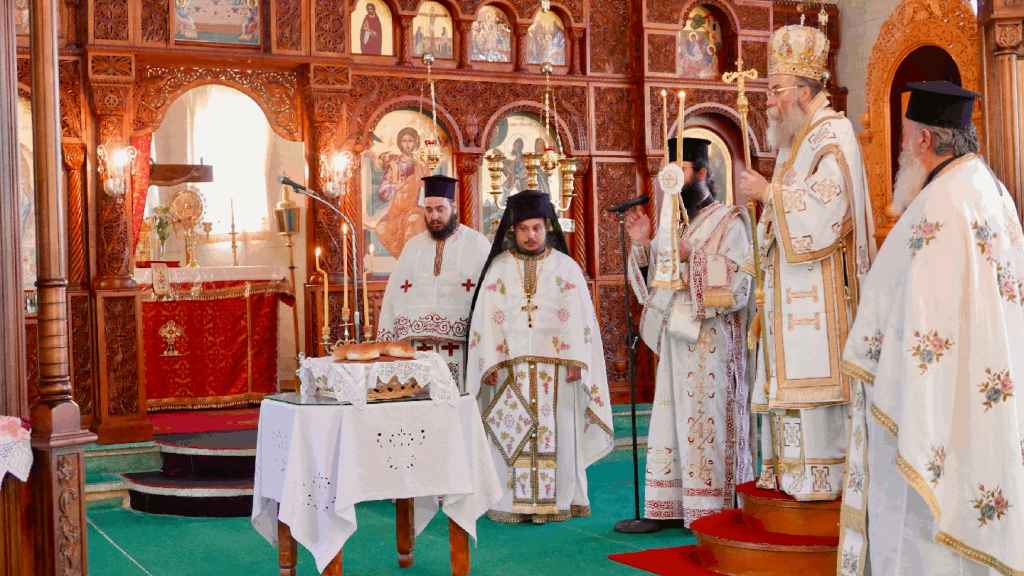 Στο φωτογραφικό αφιέρωμα που ακολουθεί, βρείτε στιγμιότυπα από τη θεία λειτουργία και τους εορτασμούς στον Ι.Ναό Γέννησης της Θεοτόκου στο Βλάτος.
 - Το Βλάτος γιορτάζει τον Άγιο Παντελεήμονα
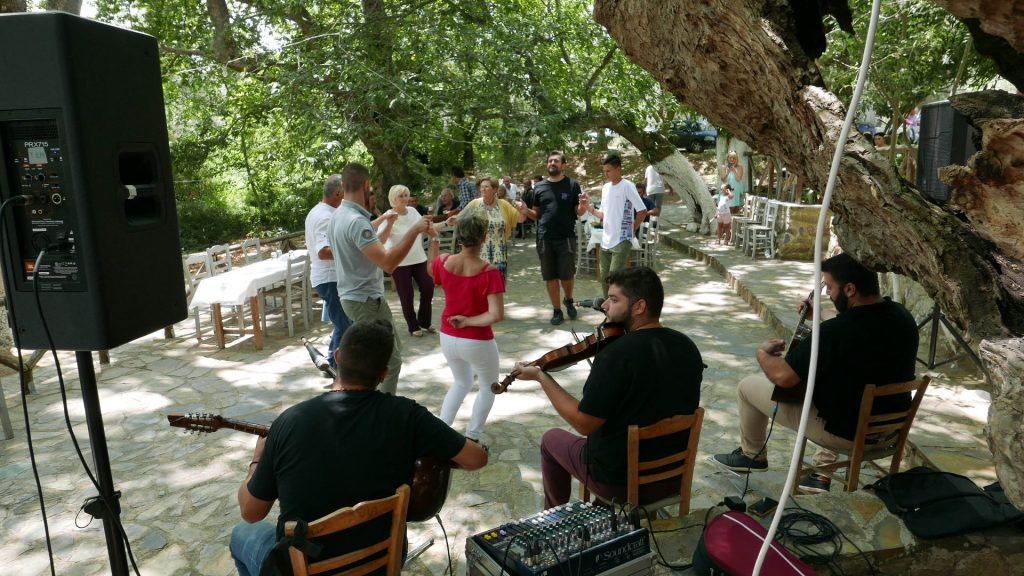 Στην ταβέρνα Ta Platania
 - Νέο παράθυρο για την παλιά εκκλησία
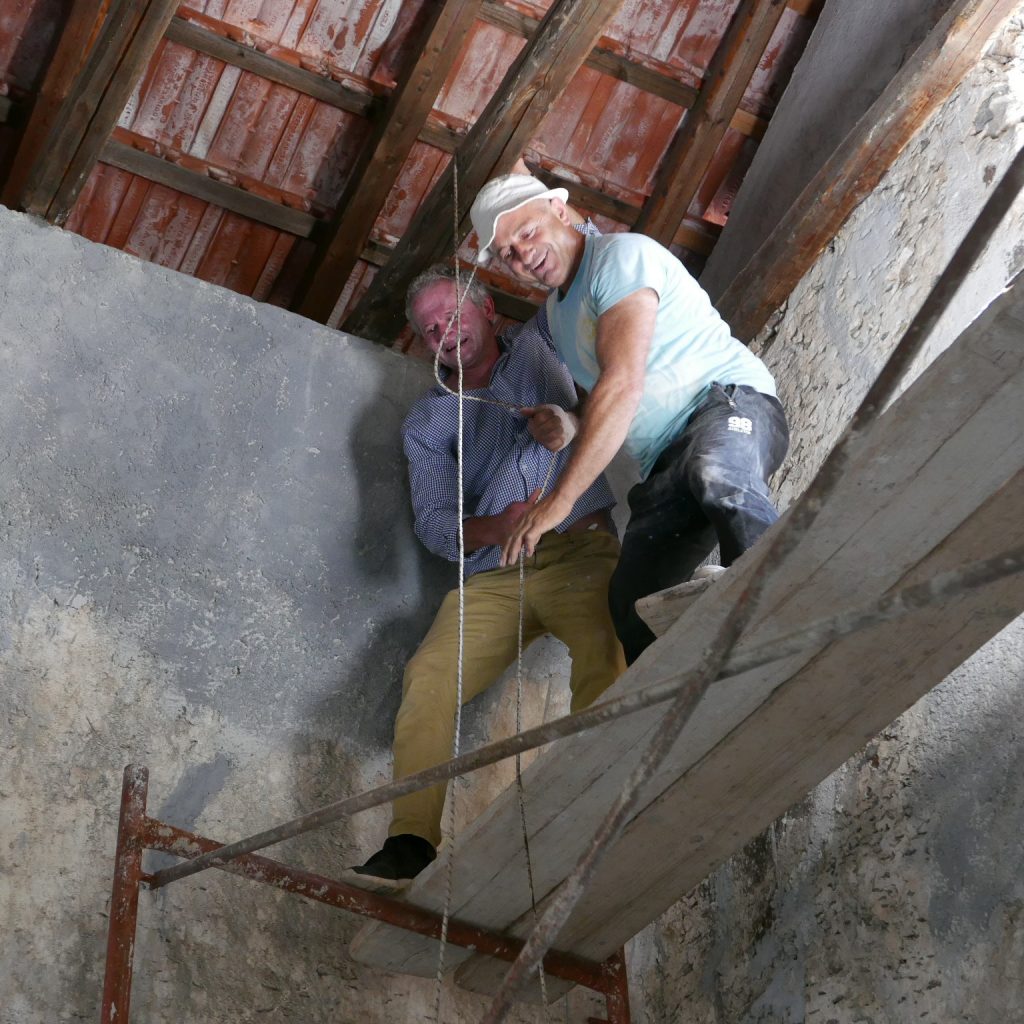 Σήμερα εγκαταστάσαμε ένα νέο παράθυρο στην παλιά εκκλησία μαζί με τον Άδωνη.
 - Το εξωκλήσι του Αγίου Γεωργίου στην κάτω Μηλιά.Ένα όμορφο εξωκλήσι στην περιοχή της κάτω Μηλιάς όπου μπορεί κάποιος εύκολα να πάει με τα πόδια από τον οικισμό της Μηλιάς. Εορτάζεται στις 8 Μαΐου την ημέρα του Αγίου Ιωάννη του Θεολόγου αν και είναι αφιερωμένο στον Άγιο Γεώργιο. Η Κίσσαμος πέφτει στα χέρια των Αράβων από το 824 ως το 961 μ.Χ. Σφαγές… Read more: Το εξωκλήσι του Αγίου Γεωργίου στην κάτω Μηλιά.
- Η εκκλησία του Αγίου Ιωάννη
- Η εκκλησία της Αγίας Τριάδας